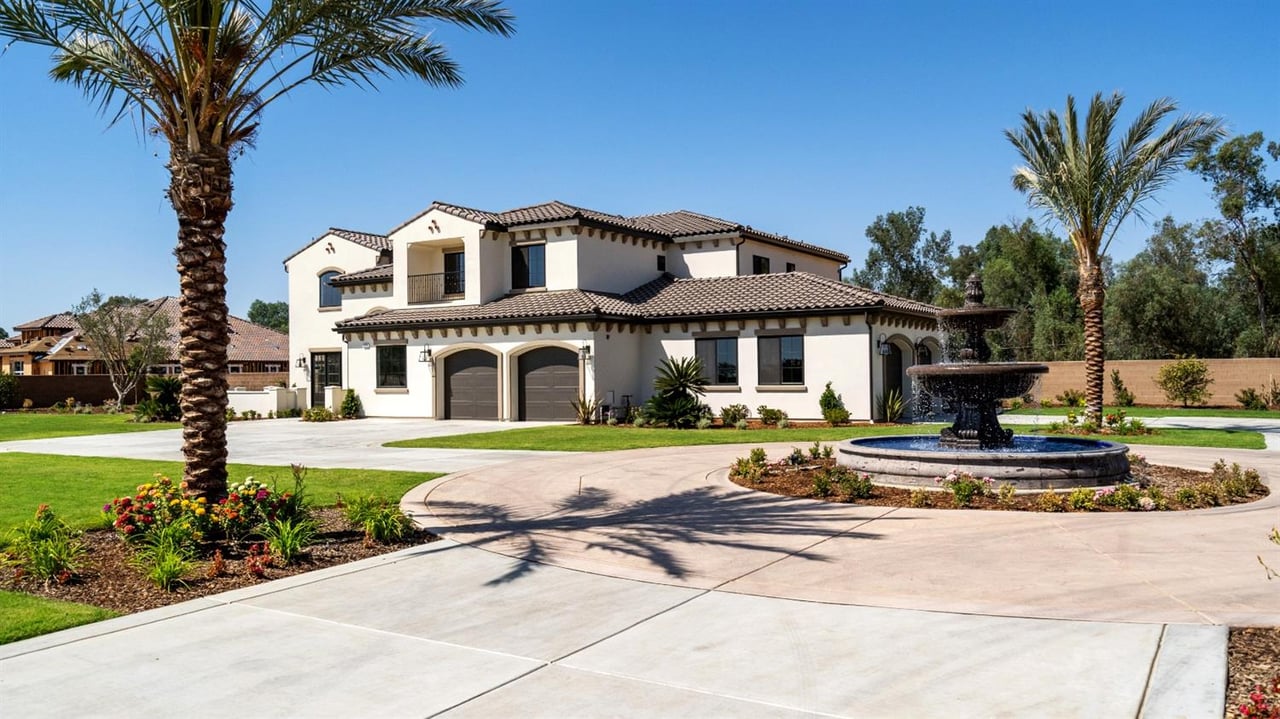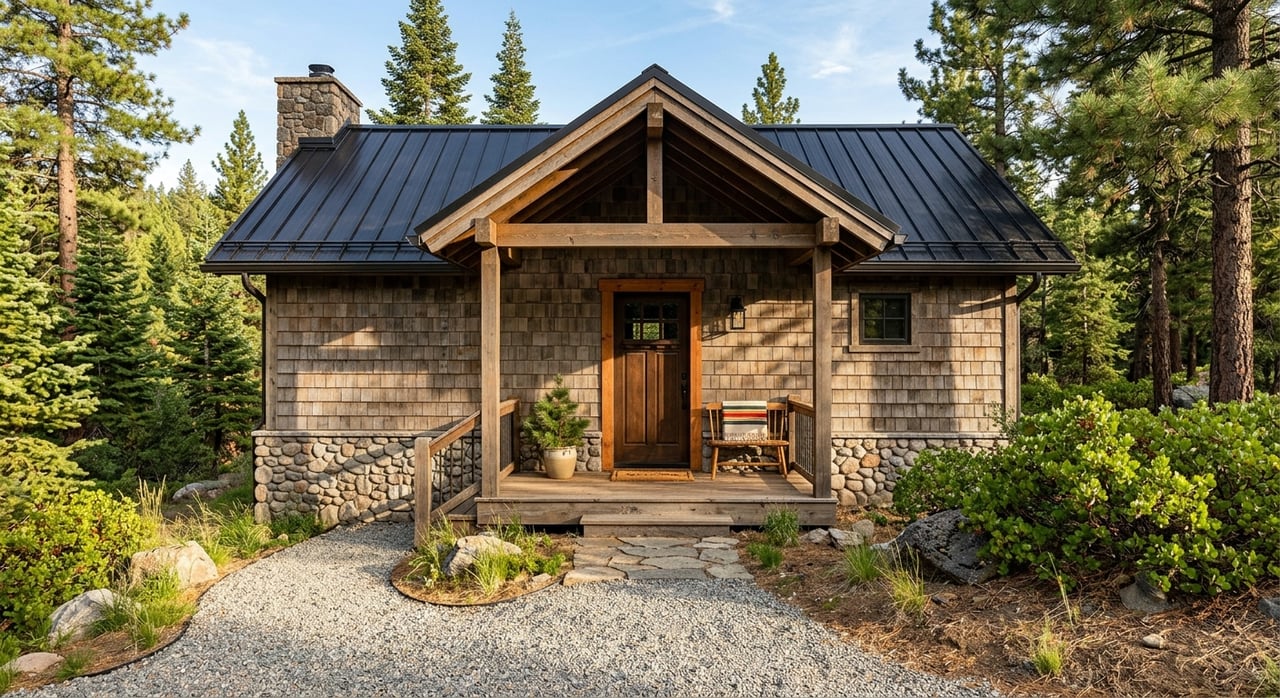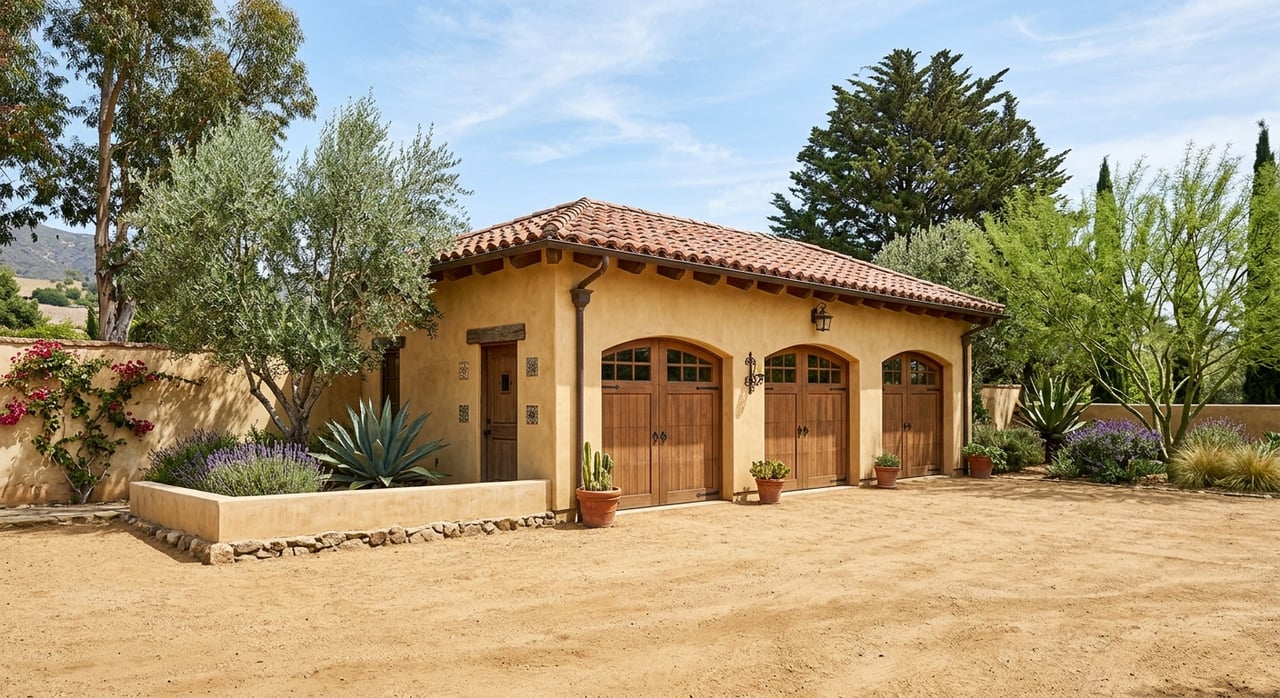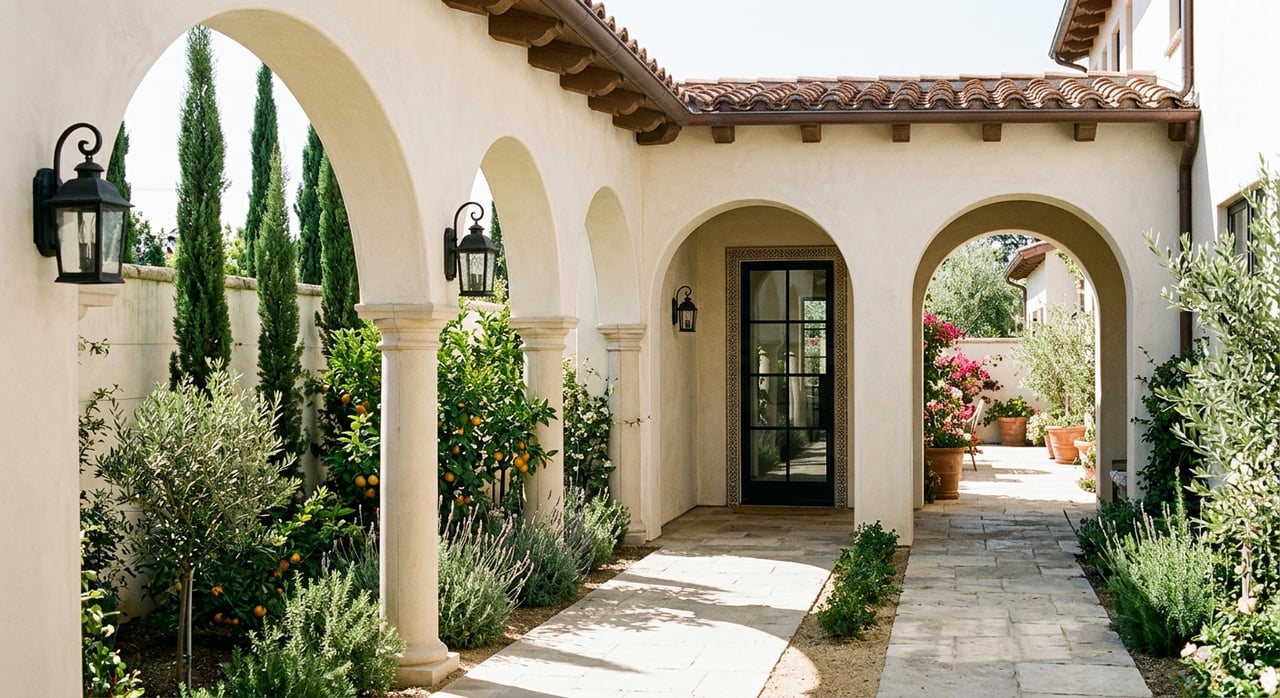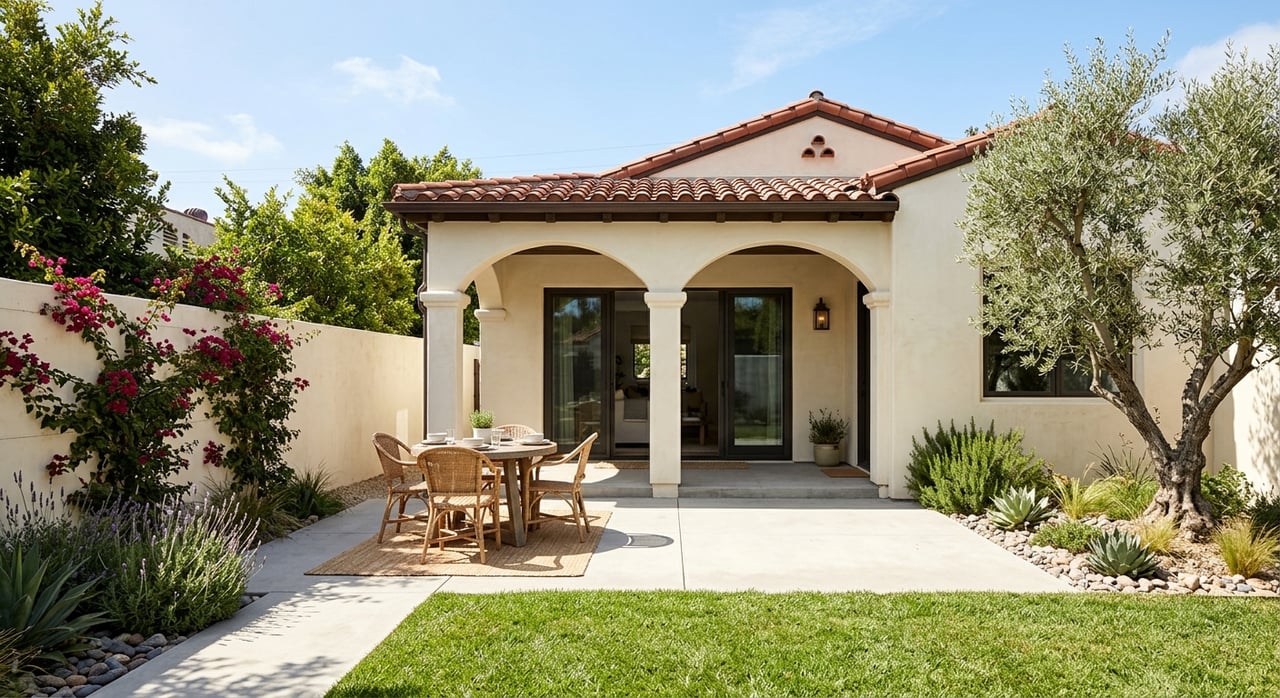
If you want a rental property that can start producing income faster, turnkey homes in Madera deserve a closer look. For many buyers, the appeal is simple: less upfront work, a clearer path to leasing, and a chance to enter a Central Valley market where family-sized housing plays a major role. If you are weighing whether Madera fits your investment goals, this guide will help you understand the numbers, the property types, and the local costs that matter most. Let’s dive in.
Why Madera stands out
Madera offers a mix of affordability and rental demand that catches the attention of many investors looking beyond California’s higher-priced metros. The city had an estimated 69,094 residents as of July 1, 2024, with an owner-occupied housing rate of 54.7%, median household income of $63,933, median gross rent of $1,353, and 3.82 persons per household according to U.S. Census QuickFacts for Madera. Those figures suggest a market where larger households are common and where practical, family-sized homes matter.
Current pricing also helps explain the interest. Zillow’s Madera housing data shows a typical home value of $418,660, a median sale price of $449,000, and homes going pending in about 33 days. For an investor, that creates a useful starting point when comparing entry cost against likely rent.
At a rough screening level, average asking rents in the $2,264 to $2,395 range against a home value around $418,660 point to an estimated 6.5% to 6.9% gross annual rent yield before expenses based on the Zillow figures above. That is not the same as cap rate, but it can help you narrow down which turnkey listings deserve a deeper look.
What turnkey means for you
A turnkey rental property is usually a home that is already in rent-ready condition, or very close to it. In practical terms, that often means the major systems, finishes, and habitability issues have already been addressed so you can focus on leasing and operations instead of a long renovation timeline.
In Madera, that matters because the most common and natural investment product is often a detached single-family home. The city’s Consolidated Plan describes the housing stock as primarily single-family, noting that 70.9% of units in the ACS sample it used were 1-unit detached structures, about 74% of housing units are single-family homes, and most available units have two or three bedrooms. Multifamily properties exist, but they are a smaller part of the market.
For you, that means turnkey opportunities may be strongest in houses rather than larger apartment-style investments. It also means your rent comparisons should focus on detached homes with layouts that fit local demand.
Best property types in Madera
If you are deciding between detached houses, duplexes, and small multifamily, the local data points most clearly toward detached single-family homes first. That is consistent with both the city’s housing mix and the larger household size reported by the Census.
Family-sized homes should be front and center in your search. Based on current Madera house rental listings on Zillow, 3-bedroom homes commonly list around $1,875 to $2,800 per month, while 4-bedroom homes commonly list around $2,395 to $2,700 per month, with some higher outliers. Recent listing examples included a 3-bed/2-bath home at $2,395, a 3-bed/2.5-bath home at $2,500, and 4-bed/2-bath homes at $2,395 and $2,700.
That range reinforces an important point: in Madera, bedroom count and layout can have a major impact on income potential. A rent-ready 3- or 4-bedroom house may align better with the market than a smaller property that needs stronger rent growth to make the numbers work.
As a broader cross-check, RentCafe’s Madera rent data shows average apartment rents at $1,631 overall, with 1-bedrooms at $1,248, 2-bedrooms at $1,672, and 3-bedrooms at $1,900. That is not a direct single-family comparison, but it helps confirm the wider local rent landscape.
How to underwrite the deal
A turnkey property can look appealing at first glance, but strong investing starts with careful underwriting. The basic framework is to compare expected rent against debt service and recurring operating costs, then add reserves for vacancy and repairs.
The IRS rental property guidance in Publication 527 lists common rental expenses such as maintenance, insurance, taxes, interest, management fees, repairs, utilities, and legal or professional fees. If you skip those items and focus only on asking rent, it is easy to overestimate cash flow.
A simple underwriting checklist includes:
- Expected monthly rent
- Mortgage payment, if financed
- Property taxes
- Insurance
- Property management fees
- Maintenance reserve
- Repair reserve
- Vacancy reserve
- HOA dues, if any
- Special assessments or local taxes
Your goal is to estimate net operating performance, not just top-line rent. Two homes with similar asking rents can produce very different results once local expenses are added in.
Watch taxes and CFD costs
In Madera, property taxes deserve close attention. The California State Board of Equalization’s 2023-24 report shows Madera County’s average property tax rate at 1.109%, while Proposition 13 generally limits the base rate to 1% plus voter-approved bonded indebtedness.
Using that county-average rate, property tax on a $418,660 home would be about $4,643 per year, while tax on a $449,000 purchase would be about $4,979 per year, before parcel-specific assessments. That can materially affect monthly cash flow, especially if you are comparing multiple homes with tight margins.
You should also check whether a property is in a newer subdivision with a Community Facilities District. The City of Madera’s CFD information explains that CFDs help fund infrastructure such as streets, lighting, landscaping, parks, and storm drainage, and that owners within a CFD pay an annual special tax.
This is one of the biggest reasons a turnkey rental needs more than a quick online search. A home with solid rent potential can still underperform if taxes, CFD charges, HOA rules, or insurance costs are higher than expected.
Plan for long-distance ownership
If you live outside Madera, you can still own successfully here, but you need a reliable local system. Turnkey does not mean hands-off forever. It means you are starting from a stronger operational position.
Madera’s climate is one reason local support matters. According to National Weather Service climate normals for Madera, July has an average maximum temperature around 97.7°F and an average minimum around 62.6°F. In a market with very hot summers, HVAC performance, roof condition, insulation, and irrigation planning can all affect tenant comfort, maintenance costs, and long-term property condition.
Local compliance matters too. The city’s property encroachment information notes that certain work in the public right-of-way requires a permit, and contractors performing work for compensation within the city must obtain a business license. The city also states that zoning rules govern allowable land use, parking, signage, structure height, and permits.
For an absentee owner, that makes local oversight especially valuable. You want clear inspection routines, dependable vendors, and someone who can respond quickly if repairs or city-related issues come up.
What a smart Madera strategy looks like
For many buyers, the most practical turnkey strategy in Madera is to focus on a detached 3- or 4-bedroom home with rent-ready condition, straightforward maintenance, and a clean expense profile. That approach lines up with the city’s household size, its single-family-heavy housing stock, and current house rental ranges.
As you compare options, look beyond finishes and photos. Ask how the home performs as an investment. That includes expected rent, tax burden, possible CFD costs, maintenance exposure, and whether the location and property type fit the part of the market where demand appears strongest.
If you want help evaluating Madera investment opportunities with a local, data-driven perspective, Jack & Sherri Dubeau can help you sort through the details and make a more confident decision.
FAQs
What types of turnkey rental properties are most common in Madera?
- Madera’s housing stock is primarily single-family, with city planning documents indicating that detached homes make up the largest share of units, so turnkey investors will often find the best fit in rent-ready houses rather than large multifamily properties.
What rent can you expect from a turnkey house in Madera?
- Current Zillow house listings show many 3-bedroom homes around $1,875 to $2,800 per month and 4-bedroom homes around $2,395 to $2,700 per month, with exact rent depending on condition, layout, and location.
What local costs matter most when investing in Madera rentals?
- Property taxes, possible CFD special taxes, insurance, maintenance, vacancy reserves, HOA dues, and management fees are some of the biggest items that can change your monthly cash flow.
Can you manage a Madera turnkey rental from out of town?
- Yes, but it is much easier with trusted local vendors, regular inspections, and a clear plan for permits, repairs, and compliance issues.
Why are 3-bedroom and 4-bedroom rentals important in Madera?
- Census data showing 3.82 persons per household suggests a market with larger household sizes, which supports stronger attention to family-sized homes when evaluating rental demand and comparable rents.