If you want a getaway home that actually works for grandparents, kids, teens, and visiting friends, style alone will not carry the day. At Bass Lake, the best multi-generational homes are designed around real life: wet towels, changing sleep schedules, shared meals, boat days, and quiet corners when someone needs a break. If you are thinking about buying or planning a family retreat here, these design ideas can help you create a home that feels easier to use from the moment you arrive. Let’s dive in.
Why Bass Lake fits family getaways
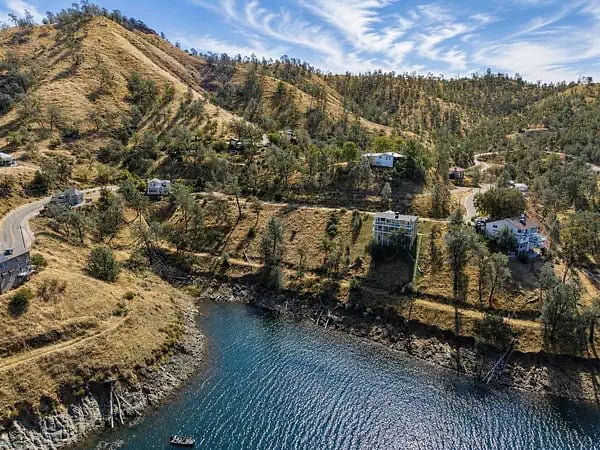
Bass Lake already functions as a family recreation hub, which makes it a natural fit for a multi-generational retreat. The Sierra National Forest describes the lake as sitting at about 3,400 feet elevation and stretching roughly 4.5 miles long and a half mile wide, with warm-weather activities like boating, paddle boarding, hiking, and fishing.
That setting shapes how a home gets used. Peak recreation season runs from late May through mid-September, and places like Recreation Point are built to support larger gatherings with group picnic sites, flush toilets, and designated swim areas. In practical terms, many families use Bass Lake as a base camp for active days, not just a pretty place to sleep.
The area also benefits from being close to Yosemite’s south entrance, with The Pines Resort placing it about 16 to 17 miles away. That gives your household more than one way to enjoy a long weekend or summer stay, which matters when different age groups want different plans.
Design for how people really move
A multi-generational home works best when the layout matches the rhythm of the lake. People come and go all day, often carrying bags, snacks, towels, life jackets, or fishing gear, so circulation matters more than formal rooms.
At Bass Lake, it helps to think beyond appearance and focus on usability. You want a home that can handle movement between the driveway, the lake, the dock, and the deck without feeling cluttered or stressful.
Start with a strong entry zone
One of the smartest design choices is a dedicated entry space for lake-day gear. Even a modest mudroom or drop zone can make the house feel more organized and less chaotic.
Look for space for shoes, hooks for towels, and easy-to-clean flooring near the main entrance. If you are building or remodeling, a bench and closed storage can go a long way toward keeping shared spaces calm.
Keep the main level easy to use
A main-level sleeping option adds flexibility for guests with different mobility needs or early bedtimes. It also helps when family members are arriving and leaving on different schedules.
Madera County’s emergency-planning guidance supports thinking practically about home use and readiness. A layout with easy parking, a clean entry, and simple access to key living spaces can make a second home more comfortable in changing conditions.
Plan sleeping spaces for privacy and flexibility
At Bass Lake, the local lodging mix points to a clear pattern: families want both togetherness and separation. The Pines Resort offers everything from smaller chalets and suites to larger cabins and rental homes that sleep up to 14 guests.
That range tells you something important. A successful getaway home should not rely on one giant sleeping room or a row of identical bedrooms. Different age groups and sleep habits need different types of space.
Include one true primary suite
A private primary suite creates a retreat within the retreat. For owners or older family members, that space can offer a quiet place to recharge after a full day around the lake.
Privacy matters more in a busy house. A bedroom with its own bathroom, a little separation from the noisiest shared areas, and enough room to settle in can improve the experience for everyone.
Add a quiet guest room
A flexible guest room is useful for grandparents, early risers, or anyone who wants a little distance from the main gathering areas. This room does not need to be oversized, but it should feel calm and easy to access.
The goal is simple: not every guest wants the same level of activity. A quieter room gives your home more staying power as family needs change over time.
Create a bunk or flex room
Kids, teens, and overflow guests often do best in a room designed for flexibility. Depending on the floor plan, that could be a bunk room, a den with sleeping space, or a multi-use room for naps and movie nights.
This kind of room supports real family use. It can absorb changing guest counts without forcing every bedroom to do the same job.
Prioritize shared spaces over formal rooms
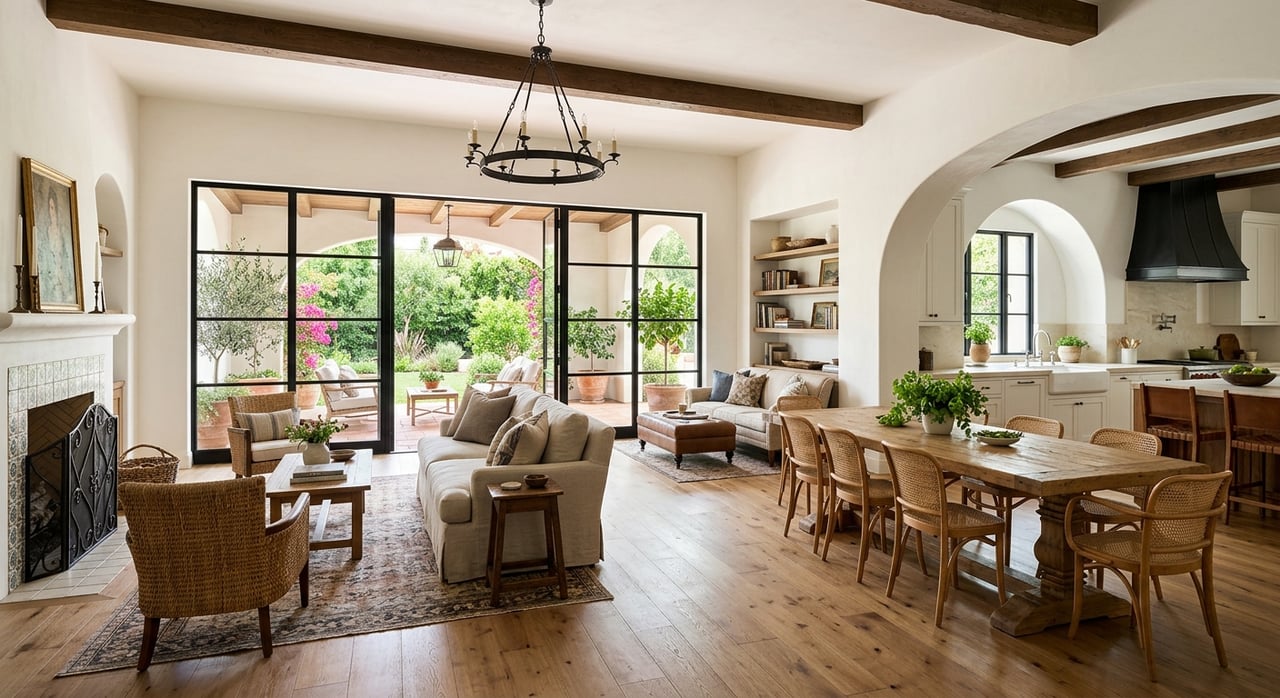
The strongest local design signal at Bass Lake is the value placed on open, communal space. Resort and rental inventory in the area highlights open floor plans, full kitchens, living rooms, decks, laundry rooms, and game-friendly gathering areas.
That tells you where to focus your budget. In a getaway home, a formal dining room used twice a year may matter less than a family room that works every single day.
Make the kitchen the anchor
A multi-generational home needs a kitchen that can handle overlapping use. Breakfast may start while someone packs a cooler and someone else makes lunch for the boat.
Full kitchens are a recurring feature in local resort lodging for a reason. If you are evaluating homes, pay attention to prep space, storage, traffic flow, and how easily several people can use the room at once.
Choose one big dining area
A large dining table often does more work than several smaller seating zones. It gives your group one place to eat, play games, plan the next day, or gather after sunset.
If space is limited, look for an open dining area that connects naturally to the kitchen and outdoor seating. That kind of setup usually feels more useful than a more formal but disconnected room.
Build around a casual family room
You want at least one living space that is forgiving. Wet towels, board games, naps, and movie nights are all part of the Bass Lake pattern.
A comfortable family room near the kitchen or deck tends to work best. It keeps everyone connected without requiring the house to stay perfectly staged.
Make outdoor living part of the floor plan
At Bass Lake, outdoor space is not a bonus. It is part of daily life. Local lodging examples emphasize expansive decks, outdoor seating, direct lake access, and easy shoreline movement.
That means you should think of the deck, patio, or outdoor sitting area as a true living zone. If your group spends most of the day going in and out, that space needs to support meals, shade, and rest.
Add shade and seating
A shaded deck can become the most-used spot in the house. It gives older adults a comfortable place to relax, lets kids dry off nearby, and makes outdoor meals easier.
Simple, durable seating usually works better than overly delicate furnishings. The goal is comfort and easy cleanup, not formality.
Keep laundry close to action
Laundry may not sound exciting, but in a lake home it matters. The local rental pattern includes laundry rooms because repeated gear changes are part of the experience.
A well-placed laundry area helps the home stay functional during longer visits. It is especially helpful when several households are sharing one property.
Choose location by lifestyle, not just shoreline
Not every part of Bass Lake feels the same, even if homes are all close to the water. California State Parks lists five public boating facilities on the lake, including Bass Lake Boat Ramp, Bass Lake Water Sports and Marina, Forks Resort, Millers Landing Resort and Marina, and The Pines Resort and Marina.
That matters because marina access is not one-size-fits-all. Some facilities offer fuel, rentals, restaurants, lodging, tie-ups, laundry, shore boat service, or transient berths, while others emphasize a different mix of services.
Match the home to your marina routine
If your family plans to boat often, think carefully about which marina setup fits your routine. Being near the right launch, rental service, or convenience stop may matter more than being near any random stretch of shoreline.
For example, a household that wants short-drive convenience may prefer the north-shore feel near Pines Village. A family focused on boating services first may lean toward a south-shore option near facilities like Miller’s Landing.
Factor in lake traffic and activity zones
Madera County’s boating FAQ notes 5 mph and no-wake rules at night and in shoreline-to-orange-buoy zones. It also identifies designated swim areas and personal watercraft areas on specific parts of the lake.
That means one cove can feel very different from another on a busy weekend. When choosing a home, consider how nearby launch traffic, swim areas, and watercraft zones may affect noise, movement, and your day-to-day experience.
Verify parcel services before you buy
Bass Lake is a county-service-area market, so utility and road assumptions should be checked carefully. Madera County maps show multiple service areas, and county financial notes state that SA 2A provides sewer service, SA 2B and 2C provide water service, and SA 2B and 2D provide road maintenance.
For you as a buyer, the takeaway is simple: verify services by parcel. Do not assume a home has the same utility or road setup as another property nearby just because the neighborhood name sounds similar.
This is especially important for second-home ownership. Clear information on services can help you avoid surprises and make a more confident decision.
Build for practical year-round use
A great getaway home should feel usable even when conditions change. Madera County encourages residents to sign up for alerts related to severe weather, road closures, evacuations, and emergency planning.
The county also notes that recreational waters like Bass Lake are non-potable and may present water-quality hazards, including harmful algal blooms. While that guidance is about health and safety, it also supports a practical design mindset.
Think about storage, parking, and easy cleaning. Homes that are simple to open up, close down, and maintain tend to serve families better over time.
If you are searching for the right property, it helps to view each home through this lens: Can your household arrive, settle in, move around easily, and enjoy the lake without constant friction? That is usually what turns a second home into a lasting family retreat.
If you are exploring Bass Lake properties and want help thinking through layout, location, and practical fit, connect with Jack & Sherri Dubeau. You will get a personal, thoughtful approach focused on helping you find a home that works for the way your family actually lives.
FAQs
What makes a Bass Lake home good for multiple generations?
- A strong multi-generational Bass Lake home usually blends private sleeping areas with open shared spaces, easy lake-day cleanup, flexible guest rooms, and outdoor areas that support group time.
What sleeping layout works best in a Bass Lake getaway home?
- A practical layout often includes one true primary suite, one quieter guest room, and one flexible room for kids, teens, naps, or overflow guests.
Why do shared spaces matter more in a Bass Lake vacation home?
- Local lodging patterns show that open kitchens, large living areas, decks, dining space, and laundry rooms support the way families actually use homes near the lake.
How should you choose a location around Bass Lake for a second home?
- It helps to choose based on your routine, such as marina access, convenience to village services, and how nearby boating or swim zones may affect the feel of the property.
What should buyers verify before purchasing a Bass Lake property?
- Buyers should confirm parcel-level services like sewer, water, and road maintenance, since Bass Lake includes different county service areas and those details should not be assumed.
What practical features help a Bass Lake home stay easy to use?
- Helpful features include a mudroom or drop zone, easy parking, a main-level bedroom option, durable finishes, storage for gear, and a laundry area near the main action zones.