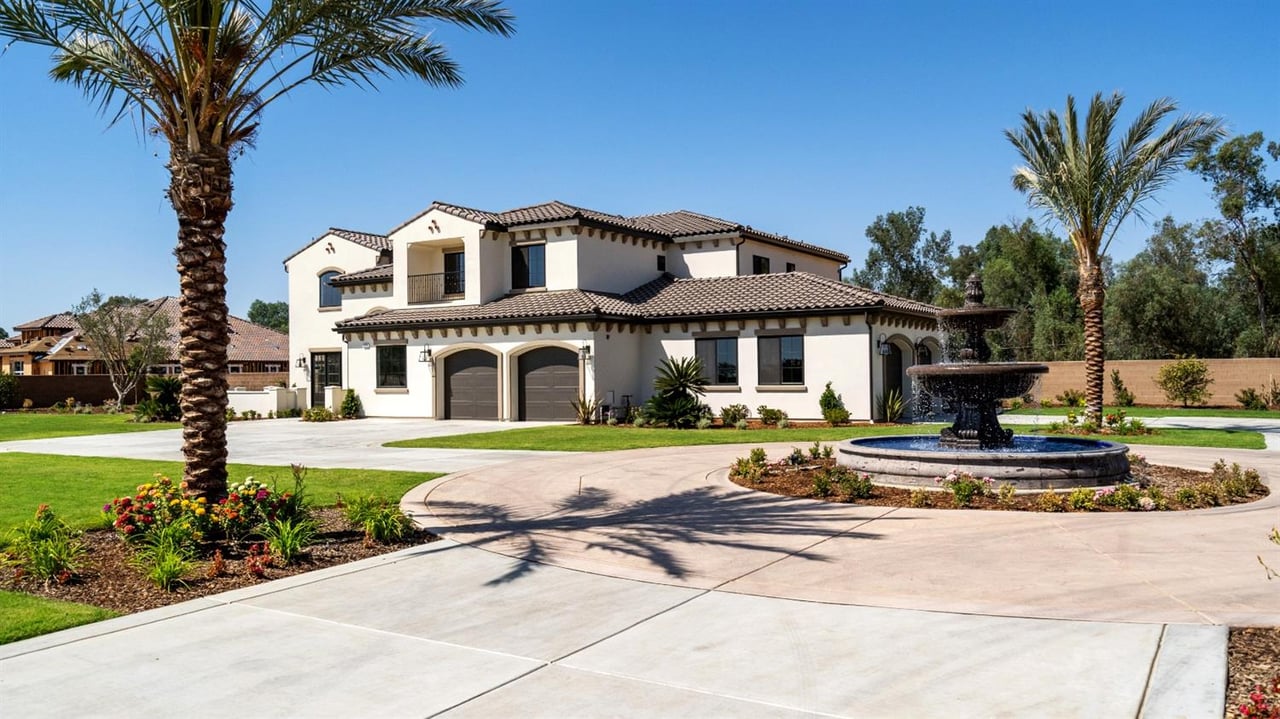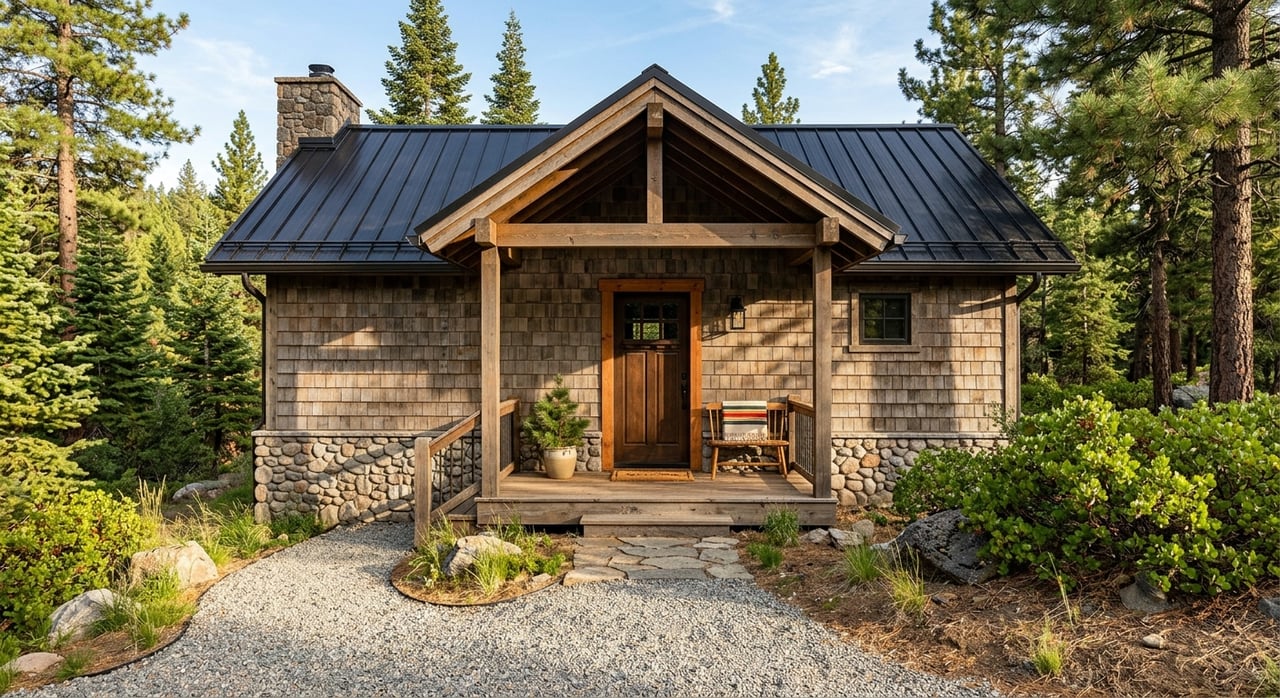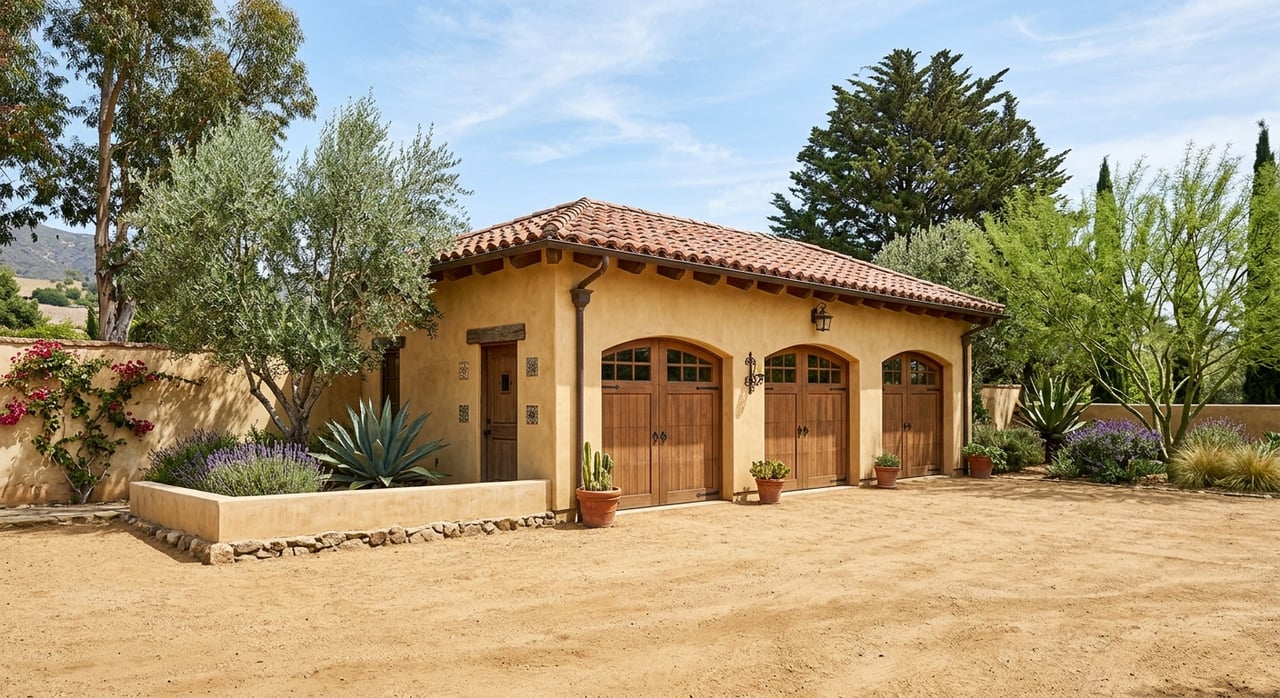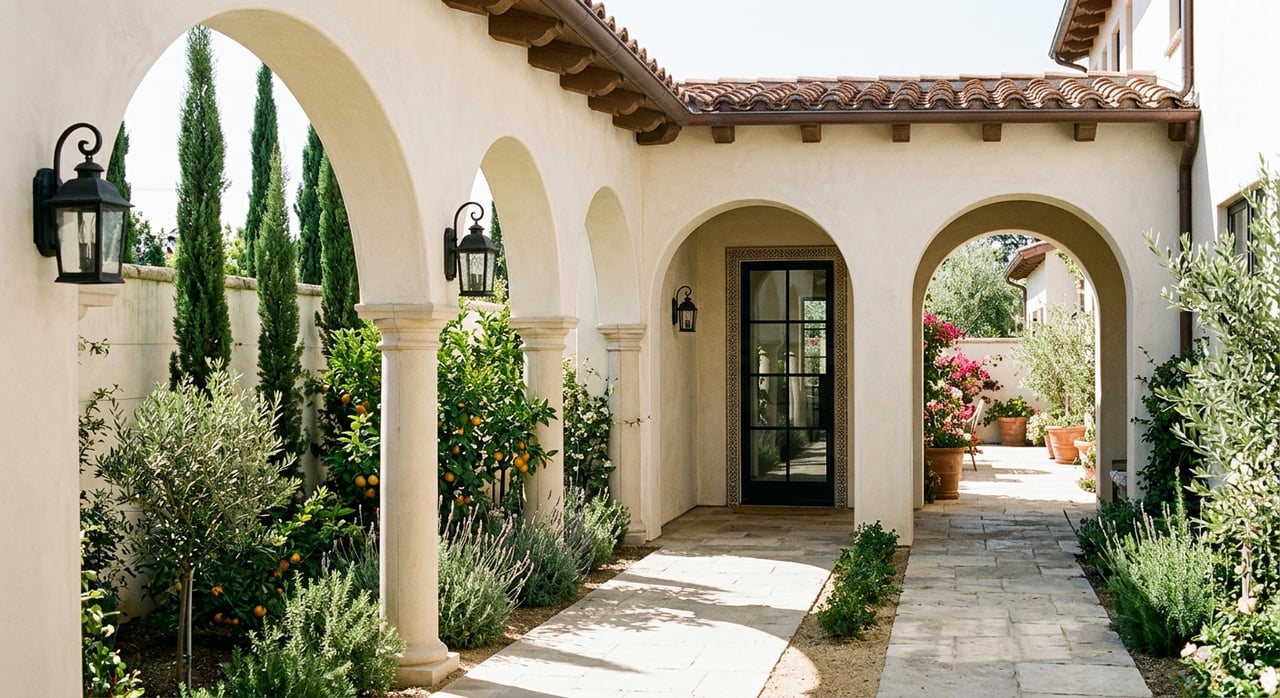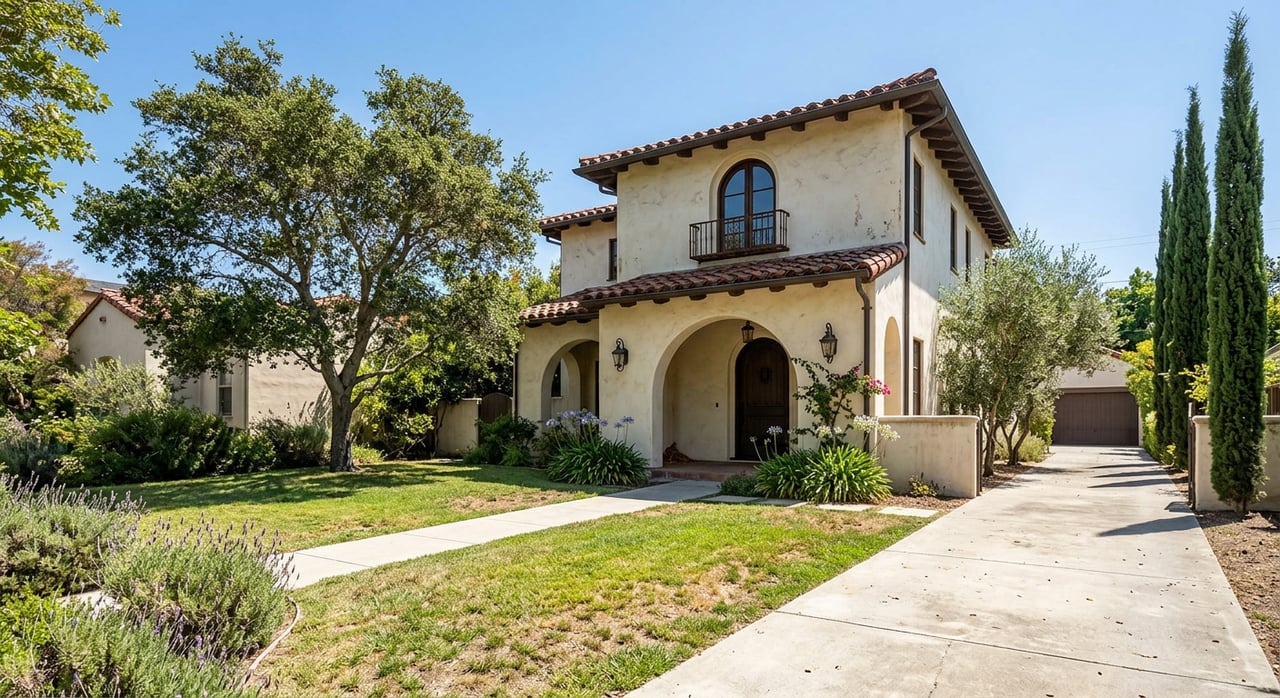
Wondering whether life in Chowchilla should come with a neighborhood street or a long driveway? If you are weighing town living against country living in 93610, the choice is about more than price or square footage. It is really about how you want to live day to day, what kind of upkeep you are comfortable with, and which property setup fits your routine. Let’s dive in.
Why the choice matters in Chowchilla
Chowchilla is a rural Central California city between Fresno and Merced, and its planning area covers about 14,000 acres, or roughly 22 square miles, along Highway 99 and Highway 152. The city’s long-term planning goals focus on preserving small-town character while allowing smart growth. That matters because in 93610, you can find both in-town homes and larger rural parcels in the same ZIP code.
The local housing picture also shows why this decision is not always simple. Current market numbers vary by source, with Realtor.com showing a 93610 median listing price of $454,950, Zillow showing an average home value of $393,599, and Redfin reporting a March 2026 median sale price of $300,000 for the city. Those are different data points, but together they show that Chowchilla is not a one-price market.
What in-town living looks like
If you choose a home inside Chowchilla city limits, you are often choosing convenience and a more straightforward property setup. The city provides water, sewer, and trash service, and it operates its own wastewater plant and sewer network. That can simplify everyday ownership compared with managing private systems.
In-town living can also make errands and activities easier to reach. Chowchilla operates CATX, a curb-to-curb demand-response transit service within city limits on weekdays except holidays, with limited destinations outside the city on the Gold Line. Most households will still want a car, but having local transit can be helpful for appointments and routine trips.
Community life is another reason some buyers prefer town. Chowchilla highlights parks, recreation programs, and local events, including Music in the Park, the Western Stampede Cattle Drive, and access to Pheasant Run Golf Course. Edward Ray Park, the city’s largest park, spans 27.4 acres and serves as a major community space.
The city’s General Plan also supports a pedestrian-friendly and walkable pattern, especially in downtown and older neighborhoods. It encourages shopping and commercial growth to stay centered in the traditional core rather than spread outward. For you, that can mean a more connected feel and easier access to daily destinations.
In-town living may fit you if you want
- City water, sewer, and trash service
- Easier day-to-day upkeep
- Proximity to parks and community events
- Access to weekday local transit
- A more connected neighborhood setting
What country living changes
If you are drawn to rural Chowchilla or small-acreage living, the biggest appeal is usually space. You may have more room for animals, equipment, parking, gardening, or simply more distance from neighboring homes. For some buyers, that privacy and flexibility are the whole point.
But country living also comes with more hands-on ownership. Outside the city, Madera County handles permitting and enforcement for water wells and septic systems. That means you should expect more parcel-specific review and more responsibility for understanding how the property works.
Private well and septic systems are common on rural properties. Madera County also offers bacterial testing for private domestic wells for $20 per test, which is a practical reminder that water systems in the country need active oversight. If you are used to city utilities, this is one of the biggest lifestyle shifts.
Rural living can also mean longer drives and more dependence on your vehicle. One recent 5-acre listing in the area was described as a place where almost all errands require a car. That is a useful real-world example of how daily routines often change when you move from town to acreage.
Country living may fit you if you want
- More land and privacy
- Space for animals or equipment
- A self-directed property setup
- Separation from a traditional neighborhood pattern
- Flexibility that may not be available on a city lot
Rural living is not always simpler
It is easy to assume that country living means peace, quiet, and fewer complications. In reality, rural and fringe parcels can come with their own set of issues. Chowchilla’s General Plan notes that roadway corridors, railroad corridors, the airport, agriculture, industrial business, and the fairgrounds can all be relevant noise sources.
That means a large parcel is not automatically quieter than an in-town home. A property near agricultural activity or transportation corridors may feel very different from what you expect. The lot itself, its location, and its utility setup matter more than a simple town-versus-country label.
Agricultural context matters in other ways too. Madera County actively supports and protects the farm economy, oversees pesticide-use permits, and has a sheriff’s Agricultural Crimes Unit that addresses rural agricultural theft and property damage. If you are buying outside town, it helps to understand that you are stepping into a working agricultural environment, not just a larger backyard.
How to compare properties the right way
In Chowchilla, the smartest comparison is not town versus country in the abstract. It is one specific property versus another. A compact in-town home, a 5-acre parcel, and a large agricultural property may all share the same ZIP code, but they can function very differently.
For example, recent rural listings in 93610 have included homes with private water, septic systems, horse-property features, AR-5 zoning, and even orchard land with dual-source water and a deep agricultural well. That kind of range shows why broad assumptions can lead you in the wrong direction. Before you fall in love with the land, make sure the property supports the lifestyle you actually want.
Key questions to ask before you write an offer
- Is the parcel inside Chowchilla city limits or in unincorporated Madera County?
- What utility setup serves the property?
- If there is a well or septic system, are permits current?
- What does the zoning allow?
- What school assignment applies to the address?
- Is the property affected by flood, wildfire, airport, railroad, or roadway concerns?
These checks matter because city utilities and county permitting work differently. Verifying details parcel by parcel can save you time, money, and frustration later.
Town vs. country at a glance
| Factor | In-Town Chowchilla | Rural or Acreage Areas |
|---|---|---|
| Utilities | Often city water, sewer, and trash | Often private well and septic |
| Daily errands | More connected to town services | Usually more car-dependent |
| Maintenance | Typically simpler utility upkeep | More owner-managed systems |
| Space | Smaller lots are more common | More room for land uses and storage |
| Lifestyle | Neighborhood-centered | Privacy-centered |
Which option fits your lifestyle?
If your priority is easier maintenance, access to parks and events, and a more connected day-to-day routine, in-town Chowchilla may be the better fit. It can be especially appealing if you want city utility service and a simpler ownership experience. You may give up some land, but you gain convenience.
If your priority is space, privacy, and room to shape the property around your needs, country living may be worth the extra responsibility. You just want to go in with clear eyes about wells, septic, permits, and drive times. In this market, the best choice is the one that matches your comfort level with upkeep and your real daily routine.
Whether you are comparing a home in town or a parcel on acreage, having local guidance can make the decision a lot clearer. Jack & Sherri Dubeau can help you sort through the details, compare property setups, and find the option that fits the way you want to live.
FAQs
Is country living in Chowchilla always cheaper than in-town living?
- Not necessarily. Current 93610 market data shows a wide spread between listing prices, home values, and sale prices, so land, utility setup, and property type can matter just as much as location.
Will a rural Chowchilla property usually have a well or septic system?
- Often, yes. Outside the city, Madera County handles permitting and enforcement for water wells and septic systems, so many rural buyers should expect private systems instead of city utilities.
Can you live in Chowchilla without a car if you buy in town?
- Chowchilla has CATX weekday transit within city limits, which can help with some local trips, but most households will still want a car. Rural properties are generally much more car-dependent.
What should you verify before buying acreage in 93610?
- Check whether the parcel is in the city or county, confirm utility service, review well and septic permit status, verify zoning, confirm school assignment, and look into flood, wildfire, airport, railroad, and roadway exposure.
Does in-town Chowchilla offer parks and community amenities?
- Yes. The city highlights Edward Ray Park, recreation programs, local events like Music in the Park and the Western Stampede Cattle Drive, and community amenities including Pheasant Run Golf Course.