Can a Bass Lake cabin help pay for itself while giving you a place to unwind near Yosemite? If you are exploring a vacation rental, you are likely weighing returns, rules, and the day-to-day realities of hosting. In this guide, you will learn how to evaluate demand, model ROI, understand permits and taxes, plan operations, and manage risks specific to Bass Lake. You will also get a practical due diligence checklist you can use before you write an offer. Let’s dive in.
Why Bass Lake attracts guests
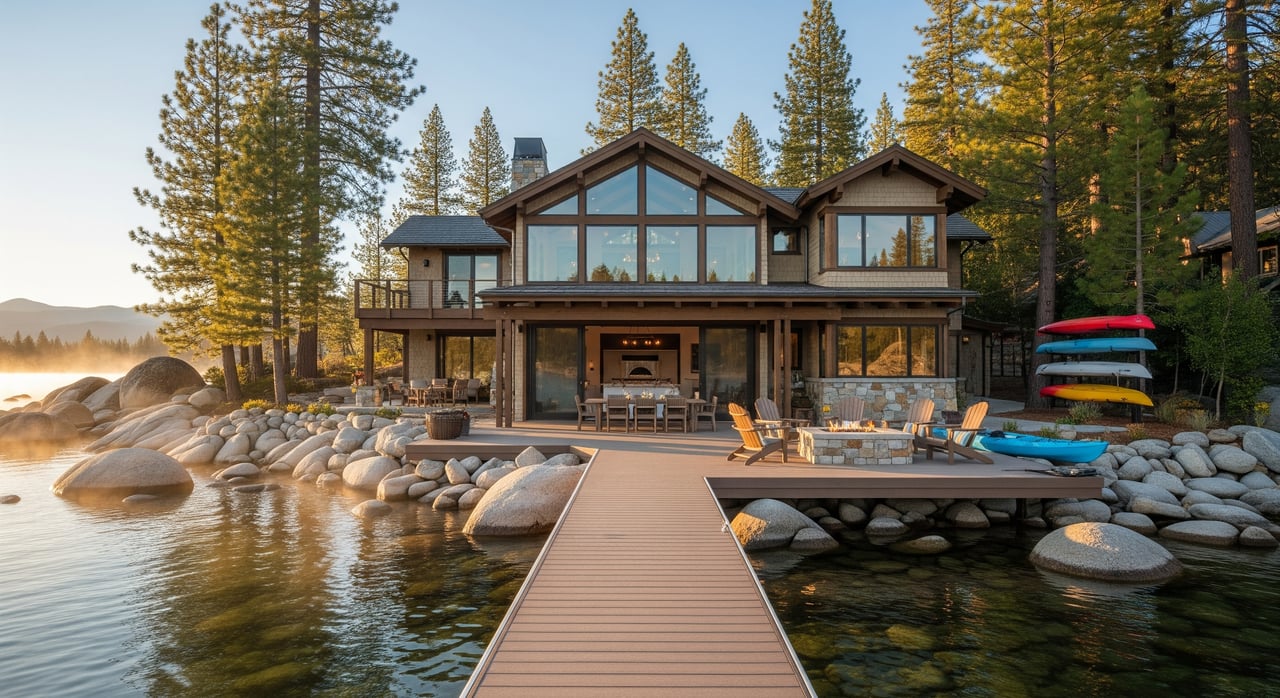
Bass Lake sits in Madera County, a short drive from the southern entrance to Yosemite National Park. Visitors come for boating, fishing, swimming, hiking, and weekend getaways in the Sierra foothills. Many guests are families or small groups from Fresno, Clovis, the Bay Area, and the San Joaquin Valley.
Demand is highly seasonal. Summer and holiday weekends tend to book first, while fall color brings some shoulder-season lift. Winter can be quieter and often comes with shorter mid-week stays.
Seasonality and booking patterns
Peak months and holidays
Summer is lake season, so plan for stronger rates and higher occupancy. Memorial Day, Fourth of July, and Labor Day often drive quick bookings. Shoulder-season weekends can perform well if the weather is pleasant.
Mid-week and winter dips
Mid-week demand is usually softer, especially outside of summer. Winter varies by snow conditions and nearby recreation. Budget conservatively for these periods and use pricing tools to fill gaps.
How to gauge demand locally
Use short-term rental analytics, such as AirDNA or AllTheRooms, to view ADR, occupancy, RevPAR, and seasonality curves for Bass Lake. Cross-check with Yosemite visitation trends and any available county tourism data. Also review live listings on major platforms to understand amenities, calendars, and pricing.
Rules, permits, and taxes in Madera County
Short-term rental permits and standards
Bass Lake is unincorporated, so Madera County ordinances apply along with any community or HOA rules. Expect to complete business registration or an STR permit, meet safety and habitability standards like smoke and carbon monoxide alarms, and follow parking, noise, and occupancy limits. Confirm current requirements with the County Planning and Building Department.
Transient occupancy tax basics
Most California counties require short-term rentals to collect and remit transient occupancy tax. Register with the Madera County Tax Collector or Auditor to confirm the rate, filing steps, and due dates. TOT is separate from state sales tax.
HOA and private restrictions
Many Bass Lake homes are part of HOAs or lake associations with CC&Rs that may restrict rentals or set guest limits. Always obtain the full documents, plus recent meeting minutes, before you finalize a purchase.
Insurance essentials
Standard homeowner policies often exclude vacation rental activity. Look for a short-term rental or commercial dwelling policy, consider umbrella coverage, and confirm wildfire protection is included. Ask your insurer in writing to verify that STR use is allowed.
Federal tax and personal use rules
Rental income is taxable. Typical deductible expenses include mortgage interest, property taxes, insurance, utilities, repairs, management fees, cleaning, supplies, and depreciation. If you use the home personally for more than 14 days or more than 10 percent of the days it is rented, the IRS may treat it as a residence, which changes how you report income and expenses. Work with a CPA to model after-tax cash flow.
Model your ROI the right way
Build a 12-month income forecast
Create a monthly model by season. Include ADR by month, occupancy by month, and weekend versus weekday rates. Apply platform fees and cleaning fee rules so your gross and net figures reflect how you will actually price and collect.
Include every expense category
Account for management fees, cleaning and turnover, utilities, supplies, landscaping or snow removal, HOA dues, property taxes, insurance, marketing and platform commissions, maintenance, and reserves for larger items. If you have a dock or shoreline features, include those maintenance costs too.
Key metrics to track
- Gross Rental Income = ADR x Occupancy Rate x Available Nights
- Net Operating Income (NOI) = Gross Rental Income minus Operating Expenses
- Cap Rate = NOI divided by Purchase Price
- Cash-on-Cash Return = Annual Pre-tax Cash Flow divided by Equity Invested
- RevPAR = ADR x Occupancy Rate
- Gross Rent Multiplier (GRM) = Purchase Price divided by Gross Annual Rents
Use scenarios, not just averages
Run conservative, median, and optimistic cases. Change ADR, occupancy, and management assumptions to see how NOI and cash-on-cash return respond. This helps you set realistic expectations and plan for soft seasons.
Financing can change returns
Loans for second homes and investment properties usually require larger down payments and carry higher rates. Some lenders will not count projected STR income for qualification unless there is documented rental history. Speak with lenders who understand vacation rentals and confirm reserve requirements.
Operate for guest satisfaction and profit
Self-manage or hire a manager
Self-management can increase net income but requires time and local responsiveness. A professional manager can handle pricing, guest communications, and maintenance, but typically charges 20 to 35 percent of gross bookings depending on services. A hybrid model can work if you manage bookings and hire local cleaners and vendors.
Pricing and marketing tools
Use dynamic pricing tools to adjust rates by day, season, and demand spikes. Invest in professional photography and a clear amenity list, including dock or marina access, Wi-Fi, and any watercraft rules. Fast communication and accurate calendars are critical to convert inquiries.
Safety and guest information
Provide clear house rules, lake and boat safety guidance, and emergency contacts. Stock life jackets if you provide watercraft and maintain smoke and carbon monoxide detectors and fire extinguishers. Post evacuation routes and local emergency service information.
Risks to plan for at Bass Lake
Wildfire exposure
Bass Lake is in a wildfire-prone landscape. Create defensible space, use ember-resistant features where possible, and ensure your insurance covers wildfire losses. Keep an evacuation plan on hand for guests.
Water-related liability
Boating and swimming increase risk. If you allow use of watercraft, require waivers where appropriate and verify your insurance permits this use.
Access and road conditions
Mountain roads and winter weather can affect access. Clarify road maintenance responsibilities and snow removal, and inform guests about seasonal driving conditions.
Septic and well systems
Many rural homes rely on septic and private wells. Confirm system capacity for peak guest counts and review inspection reports. Budget for routine maintenance.
Buyer’s due diligence checklist
- Confirm zoning and STR permit requirements with Madera County Planning and Building.
- Register for transient occupancy tax and confirm filing frequency with the County.
- Review HOA and CC&R documents for any rental restrictions or guest limits.
- Request the seller’s booking history, platform calendars, reviews, and financials if the home is an existing STR.
- Verify insurance availability and premiums for STR use, including wildfire coverage.
- Inspect major systems: roof, HVAC, septic, well, electrical, and plumbing; review a current septic report if applicable.
- Confirm utilities and service providers, including internet speeds important to guests.
- Assess access and road maintenance responsibilities, including snow removal.
- Request quotes for management, cleaning, landscaping, and routine maintenance.
- Review local emergency services and evacuation routes posted for guests.
- Build a 12-month financial model with conservative, median, and optimistic scenarios.
- Consult a CPA for tax implications and a real estate attorney for transfer and HOA issues.
What makes a strong Bass Lake rental
- Proximity to lake access, marina, or dock privileges if available
- Flexible sleeping arrangements for families and small groups
- Reliable high-speed Wi-Fi and clear work surfaces
- Well-equipped kitchen, laundry access, and climate control
- Outdoor seating, grill area, and secure storage for gear
- Clear parking, straightforward check-in, and house rules
How we can help
Buying a vacation rental is part numbers, part nuance. You need accurate comps, local operating intel, and a plan for permits, insurance, and management. Our team brings Central Valley market expertise and attentive, end-to-end representation so you can move with confidence.
If you are considering a Bass Lake purchase, we can help you source the right property, coordinate due diligence with local pros, and pressure-test your ROI model before you write an offer. Ready to explore what is possible? Connect with Jack & Sherri Dubeau for a friendly, data-informed conversation.
FAQs
Is Bass Lake a good place for a vacation rental?
- Bass Lake draws visitors for lake recreation and Yosemite access, with strong summer and holiday demand and softer mid-week and winter periods, which supports rentals when modeled with seasonality.
Which months have the highest occupancy at Bass Lake?
- Summer typically performs best, while Memorial Day, Fourth of July, and Labor Day weekends often book quickly; shoulder-season weekends can also do well.
What permits and taxes do I need in Madera County?
- Expect STR registration or a permit, safety standards, and transient occupancy tax registration and remittance, plus any HOA rules that apply to the property.
Can projected rental income help me qualify for a loan?
- Some lenders do not count projected STR income unless there is documented history, and investment loans often require larger down payments and reserves, so ask lenders who work with vacation rentals.
What insurance do I need for a Bass Lake rental?
- Look for a short-term rental or commercial dwelling policy with adequate liability and wildfire coverage and consider an umbrella policy, verifying in writing that STR use is allowed.
How do I estimate ROI for a Bass Lake property?
- Build a 12-month model with ADR and occupancy by month, include all operating costs and reserves, then calculate NOI, cap rate, and cash-on-cash return under conservative, median, and optimistic scenarios.