Ever picture a little more elbow room, a shop for your projects, and a few hens pecking in the yard without giving up access to town? If you are looking at small acreage around Chowchilla, you are not alone. Many buyers want space, privacy, and a simpler rhythm without taking on a full-scale farm. In this guide, you will learn what small-acre living looks like in 93610, how local zoning works, what to check for wells and septic, and the due diligence steps that protect your purchase. Let’s dive in.
What “small acreage” means in 93610
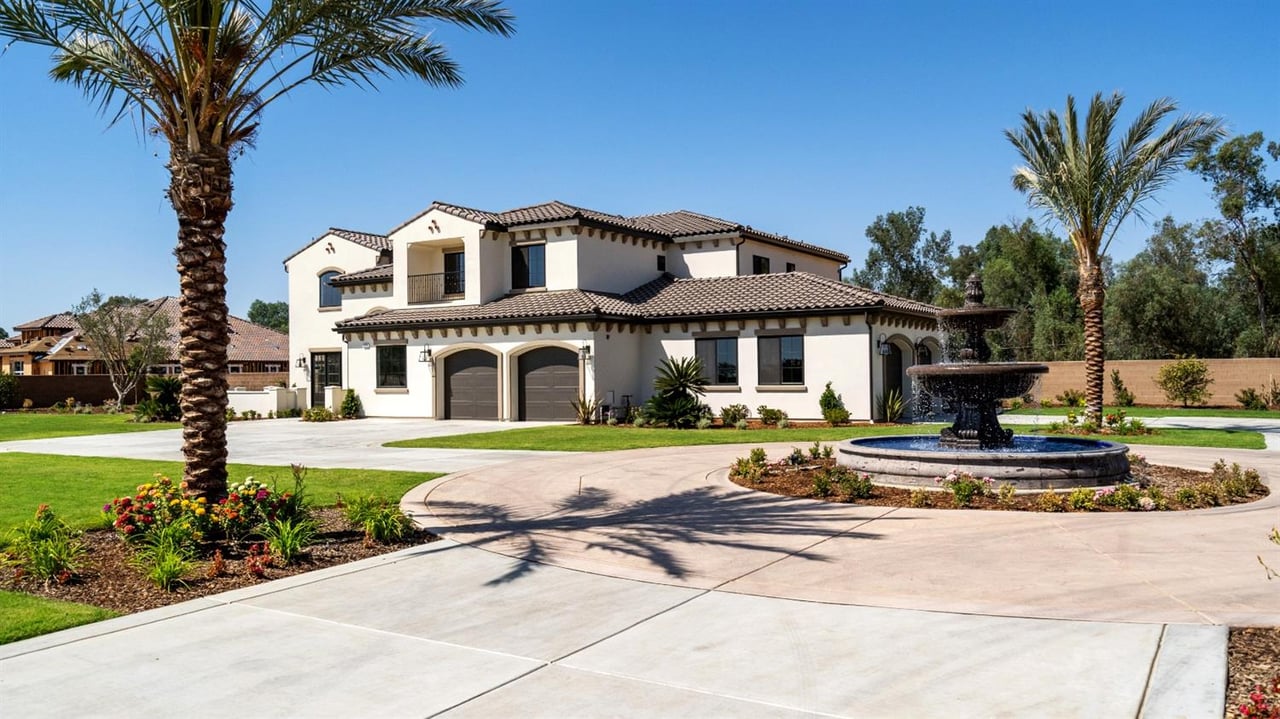
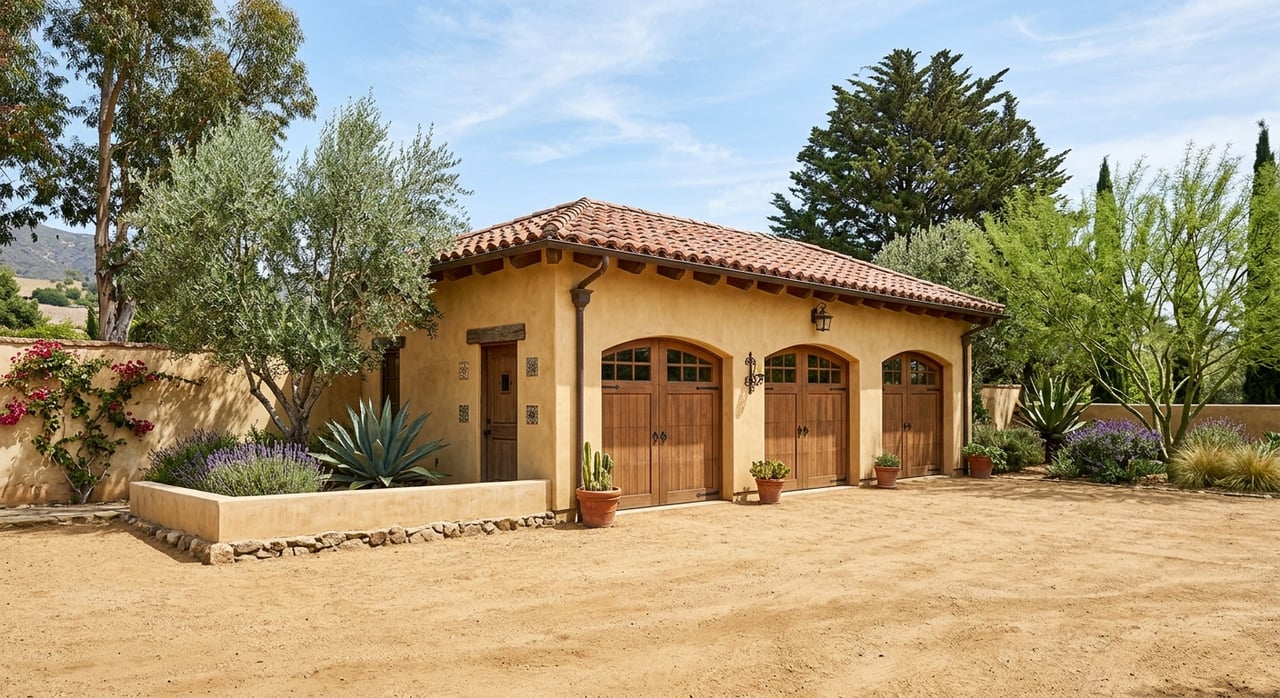
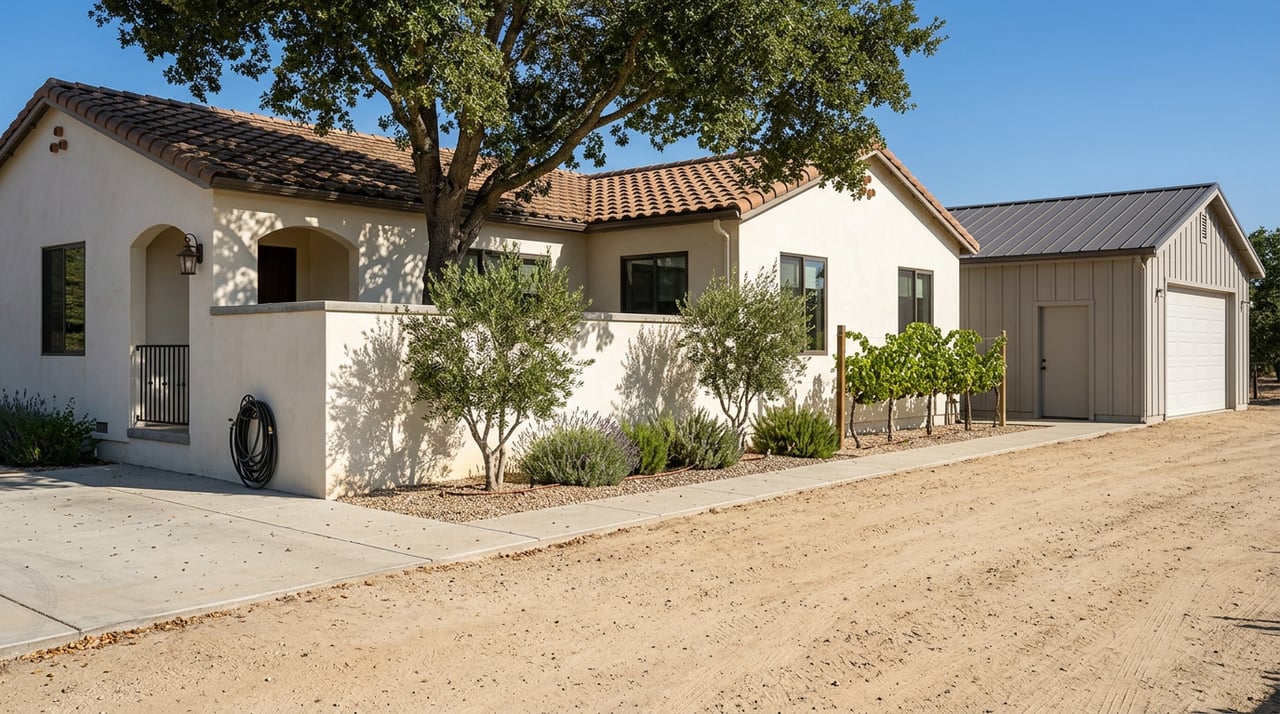
In and around Chowchilla, you will find a mix of in-town lots under an acre, 1 to 5 acre ranchettes, and larger agricultural holdings that run 10 acres and up. Many small-acre listings include a home, a detached shop or garage, and basic outbuildings. You often see fenced paddocks or a small pasture for hobby animals. The goal is room for projects, animals, and privacy without managing a commercial farm.
If you prefer in-town convenience, sub-acre lots near services can be a fit. If you want more independence and space for hobby animals, 1 to 5 acres is common around the edges of town and in nearby county areas. For more robust agriculture or broader buffers, look toward 10 acres or more.
Zoning rules and parcel sizes
Understanding zoning helps you set realistic expectations. Madera County’s General Plan sets land-use designations and typical minimum parcel sizes. Two designations show up often in small-acre conversations:
- Rural Estate Residential (RER): generally 5-acre minimums.
- Agricultural Residential (AR): generally 10-acre minimums.
You can review these designations in the county’s General Plan materials, which outline development standards and land-use maps for rural residential areas. For details, see the county’s land-use element and map update in the General Plan resources provided by the housing element site.
Handy breakpoints to know
- About 1 to 5 acres: commonly marketed as “ranchettes” in some parts of the county.
- 5 acres: aligns with the RER designation in the General Plan.
- 10 acres: aligns with the AR designation in the General Plan.
You can verify the General Plan designations and related standards in the county document on land-use and maps at the housing element website. It shows how rural residential and agricultural residential areas are structured and where they typically apply. Review the General Plan land-use and map update to understand these categories.
Always confirm the APN
Minimum lot sizes and allowed uses can vary by exact location and zoning overlays. Some zones use rural residential suffixes, such as RRS-2, that can indicate different minimums. Area plans can also change standards in foothill or mountain areas. Before you assume anything about animals, secondary units, or building size, confirm the parcel’s APN and zoning with county planning.
Water, septic, and utilities
Small-acre living can mean different utility setups than a typical city lot. Here is what to expect and where to verify.
Water: city service or private well
Inside Chowchilla city limits, properties connected to the municipal system use city water and sewer. City plans and specific plan documents describe public utilities serving new and existing development in town. If you are shopping outside city limits, private wells are common and must meet county standards. Madera County Environmental Health issues permits for well drilling and maintains records. Ask the seller for well completion documents and any recent water quality or flow tests. You can confirm well permitting and standards with the county’s Environmental Health division. Learn more about permits and records at the Madera County Environmental Health division.
Septic and onsite wastewater
Rural parcels typically rely on septic or other onsite wastewater systems. Madera County uses a Local Agency Management Program that sets modern standards for setbacks, reserve leach areas, and replacements. Do not skip a septic inspection during your contingency period. Also request county permit history and any repair documentation to confirm the system’s status. For guidance, see the county’s OWTS and LAMP information through Madera County Environmental Health.
Power, gas, and telecom
Electricity and natural gas in the City of Chowchilla are provided by Pacific Gas & Electric, with telephone and cable infrastructure present in city service areas. City planning documents note these utility providers for local projects. If you are considering a rural parcel, existing overhead lines may be close, or they may require an extension. Line-extension costs can be significant. Before you write an offer, contact the utility for a service estimate specific to the parcel. For local context on utility providers serving city areas, see the Chowchilla Industrial Specific Plan.
Internet and cellular options
In-town addresses often have wired options from cable or telco providers. In outlying areas, service varies by location. Many rural owners rely on fixed wireless, satellite, or cellular hotspots for primary or backup service. Address-level availability and speeds should be checked directly with providers. For a city-level view of planned services, review the Rancho Calera Specific Plan, which discusses local infrastructure in new growth areas.
Road access and waste service
Many small-acre parcels front county-maintained roads, but some rely on private roads or shared driveways. If a road is private, owners often handle maintenance through an agreement. Confirm who maintains the road, whether there is an HOA or private agreement, and how access works in winter. County planning staff can help verify whether a road is county-maintained. You can start with the county’s planning resources at the Madera County planning division. For waste, in-town addresses usually have municipal collection, while rural areas may use private haulers or county transfer stations. Check service boundaries for the property.
Insurance, fire safety, and mapping
Fire hazard mapping affects insurance pricing and defensible space requirements. Some parcels close to town are mapped with lower hazard, while surrounding foothills and river bluff areas can show higher severity. Check a property’s fire hazard status on the official CAL FIRE and OSFM map, then speak with the local fire agency about defensible space and response coverage. Start with the Madera County FHSZ map on the OSFM site.
Groundwater planning and wells
If you plan to rely on a private well, it pays to understand regional groundwater planning. The Chowchilla area is part of a groundwater subbasin that follows California’s Sustainable Groundwater Management Act. Local groundwater sustainability plans guide long-term management and can inform your expectations about supply. You can review the subbasin’s groundwater plan materials through the state’s portal for the Madera and Chowchilla subbasin. Visit the SGMA GSP portal for the subbasin to learn more.
How properties are set up
Most small-acre properties follow a practical pattern. The home is often closer to the road with a simple front yard. A detached shop or garage sits nearby, with a barn or storage shed behind it. Fenced paddocks or a small pasture usually run along the sides or back. On 2 to 5 acres, you might also see a basic turnout or small riding area for horses. Garden beds and drip lines are common on hobby plots.
If you keep animals or larger equipment, think through how you will use your space day to day. Many buyers value a wide driveway, a pull-through route for trailers, and shade for feed storage. Even simple improvements like a dedicated wash area or a covered workbench can make daily routines easier.
A day in the mini-ranch life
Life on a few acres tends to run in short, regular bursts rather than all-day chores. Mornings often mean a quick fence and gate check, feeding and water, and turning on irrigation if needed. Midday can be for errands in town, mowing, small repairs, or a contractor visit for well or septic service. Evenings usually bring a second feeding and water check, locking gates, and tidying around the shop.
Seasonally, you might rotate pasture, manage weeds, and handle fuels reduction before wildfire season. Routines scale with your setup. A couple with a small garden and a few chickens will have a light load. Households keeping horses or a small herd will plan for more daily work and equipment needs.
Buyer due diligence checklist
Use this list to cover the essentials before you commit. Add items that fit the property’s specifics.
- Confirm zoning and permitted uses for the APN through county planning. Use the General Plan and zoning maps as a starting point. See the General Plan land-use and map update.
- Ask for well completion records and recent water quality and flow tests. Verify well permits and standards with Madera County Environmental Health.
- Order a septic inspection. Request county permits and repair history for the system through Environmental Health.
- Call the utility provider for written estimates on electricity or gas line extensions if needed. City planning documents note local providers for reference. See the Chowchilla Industrial Specific Plan.
- Check road type and maintenance. Confirm if the road is county-maintained or private, and request any private road or shared driveway agreements. Start with the Madera County planning division.
- Look up the parcel on the official fire hazard map and speak with the local fire agency about defensible space. Review the OSFM FHSZ map for Madera County.
- Review groundwater planning documents for long-term context if you rely on a well. Visit the SGMA GSP portal for the local subbasin.
- Confirm property taxes and special assessments with the county or through escrow documents. For parcel-specific tax information, start with the Madera County Treasurer-Tax Collector.
- Request title documents and recorded easements. Ask for any road maintenance agreements and utility easements.
- Consider a boundary survey if fences or acreage lines are unclear.
In-town vs out-of-town tradeoffs
- In town: You usually gain municipal water and sewer, faster access to shops and schools, and more wired broadband options. Lots tend to be smaller with fewer outbuildings.
- Edge of town or rural: You gain space, privacy, and room for projects, animals, and a bigger shop. You take on private well and septic responsibilities, possible utility extensions, and more hands-on upkeep.
Neither option is better for everyone. Start by listing your top three must-haves, like a certain shop size, animal space, or staying on a paved county road, then filter properties by those criteria.
Ready to explore small acreage?
If the mini-ranch lifestyle around Chowchilla fits your goals, you deserve a clear plan and local guidance. We help you verify zoning, line up well and septic inspections, and structure an offer that protects your interests while keeping your purchase on track. When you are ready to tour or want a second opinion on a parcel, reach out to Jack & Sherri Dubeau for a friendly, no-pressure consult.
FAQs
What should small-acre buyers in 93610 know about zoning minimums?
- Madera County’s General Plan commonly sets 5 acres for Rural Estate Residential and 10 acres for Agricultural Residential, but you must verify the exact zoning and any overlays for the parcel’s APN using county resources.
How do I verify a private well’s condition near Chowchilla?
- Ask for well completion records and recent flow and water quality tests, then confirm permits and standards with Madera County’s Environmental Health division.
Are there special septic rules for rural parcels in Madera County?
- Yes, the county uses a Local Agency Management Program with modern setback and reserve area standards; always order a septic inspection and request county permit history before closing.
How do I check fire risk for a mini-ranch north of Madera or near the river bluffs?
- Search the parcel on the official CAL FIRE and OSFM fire hazard severity zone map, then contact the local fire agency about defensible space and typical response coverage.
Who maintains private rural roads near Chowchilla?
- Private roads are typically maintained by owners through agreements or HOAs, so confirm maintenance responsibility, cost sharing, and recorded access before you remove contingencies.
How can I estimate property taxes on a 2–10 acre property in 93610?
- California uses a base ad valorem tax of about 1 percent of assessed value plus local assessments; review parcel-specific tax bills and any special assessments with the Madera County tax office or through escrow.
Does groundwater planning affect my future well reliability near Chowchilla?
- It provides important context; review the local groundwater sustainability plan for the Madera and Chowchilla subbasin and discuss well performance records and trends with your inspector and the county.