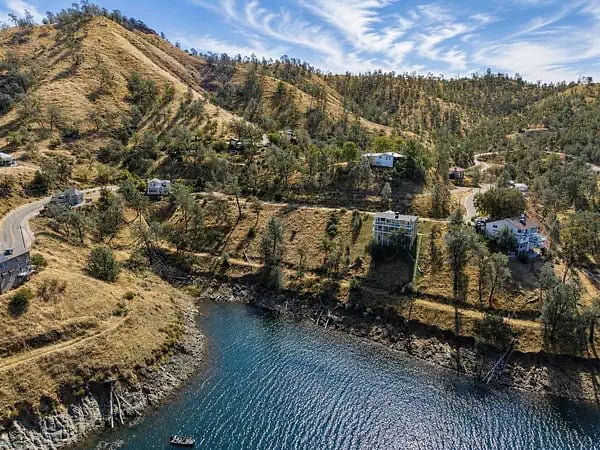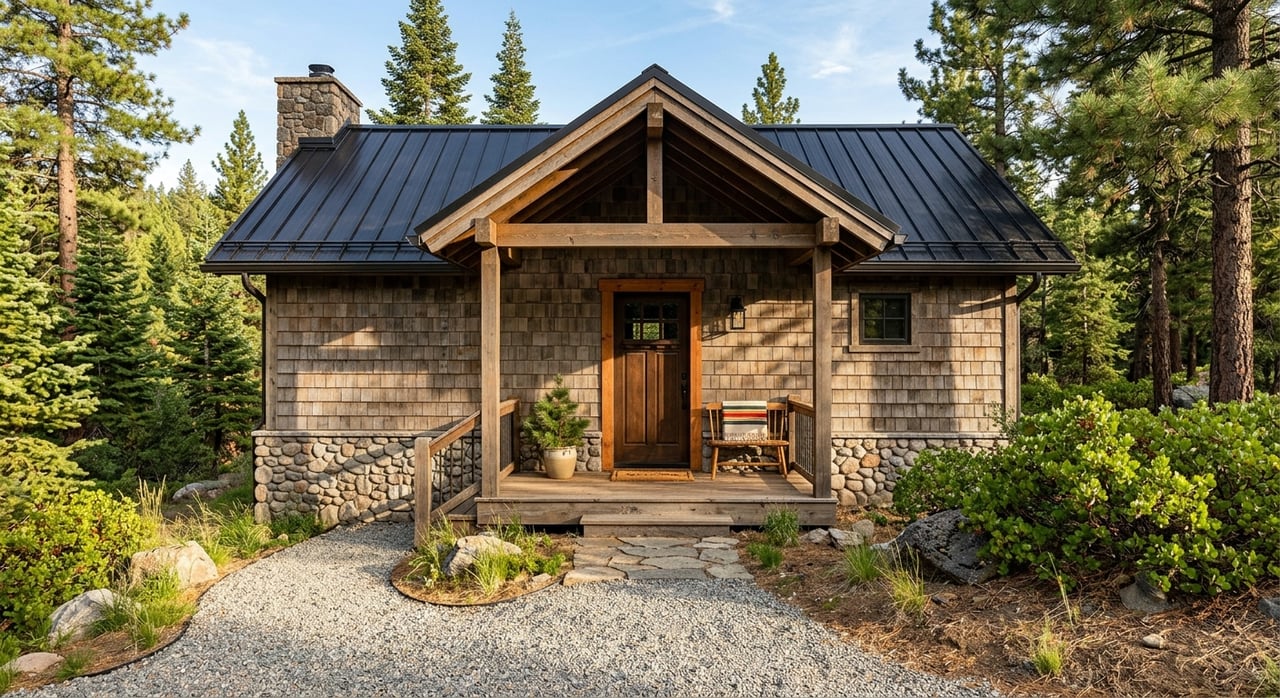
Thinking about turning your Yosemite Lakes cabin into a vacation rental? It can sound like an easy way to create extra income, especially in a destination tied so closely to Yosemite travel. But before you list your property, it helps to look at the bigger picture: demand, seasonality, guest expectations, county rules, and how much day-to-day management you actually want. If you are weighing whether this move makes sense for your cabin, this guide will help you think it through clearly. Let’s dive in.
Yosemite demand is real
Yosemite draws visitors year-round, which gives cabin owners a strong reason to consider short-term rentals. The biggest travel window, though, is not evenly spread across the calendar.
National Park Service visitation data shows that nearly 75% of Yosemite visitors come during the six busiest months, from May through October. July and August each average about 15% of annual visitation, while June and September each average about 13%.
That means your cabin may see the strongest booking potential in spring, summer, and fall. It also means you should plan for a slower winter season instead of assuming steady income every month.
Seasonality affects your revenue plan
If you are building a vacation rental strategy around a Yosemite Lakes property, peak season will likely do most of the heavy lifting. A strong summer and fall can help offset quieter winter stretches, but only if your rates, expenses, and expectations are realistic.
This is especially important if you are counting on rental income to cover ownership costs. A cabin that performs well in peak months may still feel stressful if the off-season is slower than expected.
Guests often book well ahead
Yosemite visitors are used to planning early. The National Park Service says reservations for Yosemite Hospitality lodging are available 366 days in advance and are strongly recommended, especially from spring through fall and around holidays.
The park also notes that campground reservations can be very difficult to get from about April through October. That tells you something useful as an owner: travelers in this market are often prepared to book ahead when lodging is limited.
Access matters as much as appeal
A beautiful cabin is only part of the equation. In the Yosemite area, practical access can affect guest satisfaction just as much as the views or interior finishes.
The National Park Service notes that mountain travel conditions can change seasonally. Tire chains may be required from October through April in some Yosemite-access areas, and most precipitation falls between October and May.
For you as an owner, that raises very real operational questions. Can guests find the home easily, park safely, and get in without confusion during bad weather or after dark?
Winter readiness is not optional
If your cabin is hard to access in winter, you may need a very different rental strategy than an owner with easy year-round access. Snow, chain requirements, and driveway conditions can all affect whether guests feel comfortable booking.
This does not automatically mean you should avoid renting in winter. It does mean you should be honest about whether your property is set up for cold-weather arrivals and whether you want the added responsibility.
Self-sufficiency can improve the stay
Yosemite-area guests may value convenience inside the home because services can be limited depending on the season and location. The park’s lodging information suggests that groceries may be available year-round in some areas, while food options can be more limited or seasonal in others.
That makes a fully equipped kitchen more than a nice extra. For many travelers, it can be part of what makes the cabin feel useful and comfortable for a short stay.
Your cabin needs to feel turnkey
One of the biggest mistakes owners make is assuming that availability alone creates bookings. In a destination market like Yosemite, guests usually expect a rental to feel ready from the moment they walk in.
Airbnb’s host guidance highlights basic essentials such as toilet paper, soap, linens for each bed, and at least one towel and pillow per guest. It also recommends kitchen basics like pots, pans, utensils, dish soap, salt, pepper, cooking oil, and small appliances such as a coffee maker or tea kettle.
Cleanliness shapes reviews
Airbnb says cleanliness is one of the top factors in guest reviews. That matters because reviews often influence future bookings just as much as photos or pricing.
If you do not have a reliable cleaning system between stays, the rental can quickly become harder to manage well. A cabin should feel simple, clean, and easy to understand.
Clear instructions reduce stress
Guests often arrive after a long drive, and sometimes in cold or changing weather. A clear house manual, easy entry process, and uncluttered storage can make the experience smoother right away.
Vrbo also emphasizes prompt and clear communication as a key part of a quality guest experience. In practice, that means messaging is not just customer service. It is part of the job.
Madera County rules need your attention
If your cabin is in unincorporated Madera County, local compliance is a major part of the decision. This is not an area where guessing is a good idea.
According to Madera County, owners must obtain a non-transferable short-term vacation rental permit, a business license, and a transient occupancy tax certificate. The county also says operators must register and collect transient occupancy tax within 30 days of starting the business, advertising the rental, or making the unit available for rent.
Know the tax requirements
Current county guidance lists a 9% transient occupancy tax plus a 2.5% TBID, for a total guest levy of 11.5%. The county also requires quarterly returns, even if there were no rentals during that period.
Just as important, the license and tax certificate must be displayed in the rental unit. Violations can lead to administrative citations, so this is not a step to push off until later.
Platform collection does not remove your responsibility
Madera County states that Airbnb and Vrbo may collect some taxes on behalf of operators under collection agreements. Even so, the owner remains responsible for quarterly returns and overall compliance.
That is a key detail for anyone who assumes a booking platform handles everything. It may simplify part of the process, but it does not replace your local obligations.
Property setup still matters
The county’s short-term vacation rental rules are also focused on how the property operates. Madera County says the ordinance addresses occupancy limits, on-site parking, noise, trash management, and fire safety compliance.
So the real question is not only whether your cabin can be listed. It is whether it can function well within those operating standards.
Jurisdiction can change the answer
Yosemite-adjacent communities are not always governed the same way, and parcel location matters. You should not assume one checklist applies to every cabin near the park.
The National Park Service identifies Wawona as part of Yosemite National Park and Yosemite West as private lodging just outside of, but only accessible from, Yosemite. That is why it is smart to verify the exact jurisdiction for your property before moving forward.
If you own in Yosemite Lakes, understanding the exact location and governing rules should be one of your first steps. A small assumption here can lead to major headaches later.
Management may decide if it is worth it
Some owners love being hands-on. Others quickly realize they do not want to manage messaging, cleaning coordination, calendar updates, guest issues, and permit tracking.
That does not mean a vacation rental is off the table. It may simply mean you need support.
Full-service help is available
Vrbo says experienced full-service property managers can help with listing, marketing, and day-to-day management. Airbnb’s Co-Host Network also says local co-hosts may help with listing setup, pricing, reservations, guest messaging, onsite support, cleaning, photography, interior design, and licensing or permits.
In other words, there is flexibility. You can take on everything yourself, hand off specific tasks, or look for more complete support.
Seasonal renting is an option
Vrbo also notes that hosts can choose to list year-round, seasonally, or only at certain times. That can be helpful if you want personal use of the cabin or if winter access makes full-year renting less practical.
For some owners, this middle-ground approach makes the numbers and workload feel more manageable. You do not have to treat the property like a full-time hotel if that does not fit your goals.
Financing deserves a careful review
Before you convert a cabin into a vacation rental, look closely at how the property is financed. The way a lender classifies the home can affect what is allowed and how income is treated.
Fannie Mae says second-home properties must be occupied by the borrower for part of the year, be suitable for year-round occupancy, and must not be rental property. It also says rental income from a second home generally cannot be used to qualify, while investment properties are treated differently.
That means a cabin you think of as a second home may be viewed differently once it starts operating as a vacation rental. If financing is part of your decision, this is worth sorting out early.
When a Yosemite Lakes cabin makes sense
A Yosemite Lakes cabin may be a strong vacation rental candidate if you have realistic expectations about seasonality, a property that is easy to operate, and a plan for compliance and guest communication. The strongest setups usually combine location appeal with practical readiness.
That includes things like parking, safe access, clean and complete furnishings, clear instructions, and an owner who is willing to manage the business side or hire help. In this market, success is often about operations just as much as demand.
When it may not be the right fit
A vacation rental may be harder to justify if the cabin is difficult to access, not set up for short stays, or likely to create ongoing management stress. It may also be a weaker fit if you are relying on year-round occupancy that local travel patterns do not support.
Sometimes the smartest decision is not whether you can rent the cabin, but whether you want the responsibilities that come with it. A clear-eyed review now can save you time, money, and frustration later.
If you are weighing your options for a Yosemite-area property, it helps to talk through both the market side and the practical side before you commit. For local insight on your property goals and next steps, connect with Jack & Sherri Dubeau.
FAQs
Should you expect year-round vacation rental demand for a Yosemite Lakes cabin?
- Yosemite gets visitors all year, but National Park Service data shows demand is heavily concentrated from May through October, so most owners should expect a seasonal booking pattern.
What permits are required for a short-term vacation rental in unincorporated Madera County?
- Madera County says owners need a non-transferable short-term vacation rental permit, a business license, and a transient occupancy tax certificate.
What taxes apply to a Yosemite Lakes vacation rental in Madera County?
- Current county guidance lists a 9% transient occupancy tax plus a 2.5% TBID, for a total guest levy of 11.5%, along with required quarterly returns.
Does Airbnb or Vrbo handle all Madera County tax compliance for your cabin?
- No. Madera County says booking platforms may collect some taxes under agreements, but the owner remains responsible for quarterly returns and compliance.
What do guests expect in a Yosemite cabin vacation rental?
- Guests generally expect a clean, ready-to-use stay with basics like linens, towels, soap, toilet paper, kitchen essentials, and clear arrival and house instructions.
Can you rent your Yosemite cabin only during peak season?
- Yes. Vrbo says hosts can choose to list year-round, seasonally, or only when they want, which may be helpful if you want flexibility or easier winter operations.