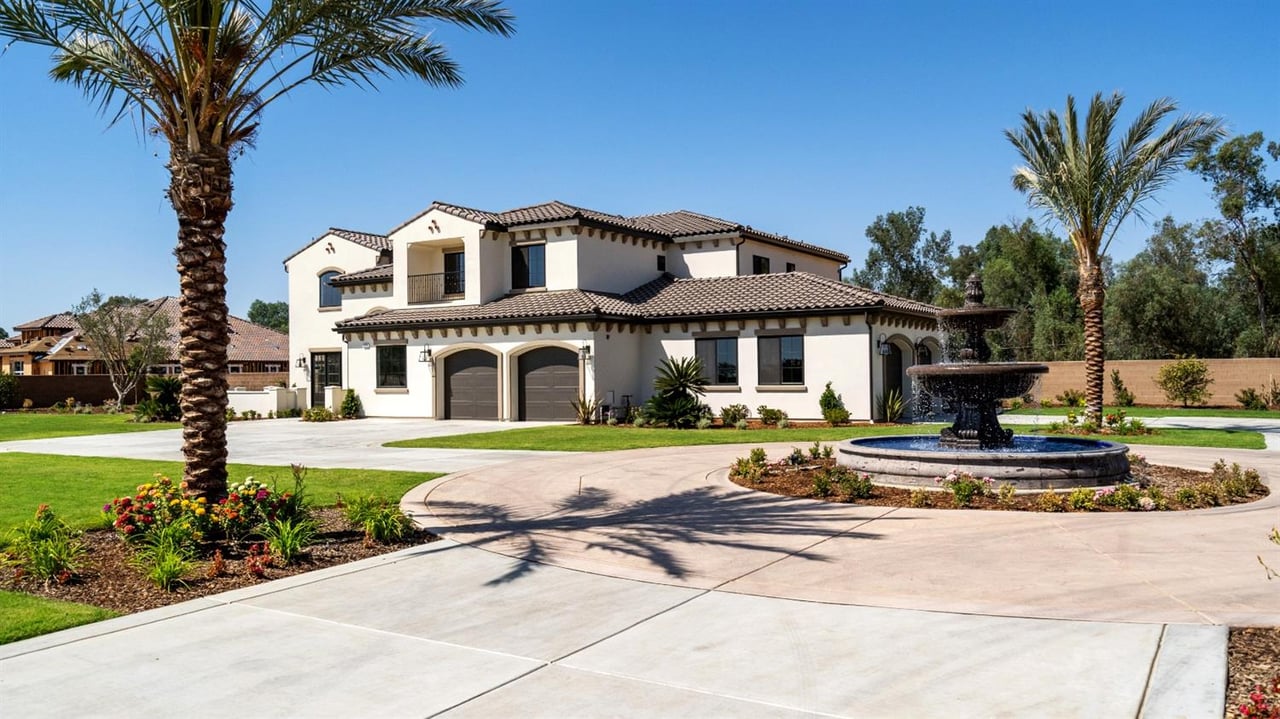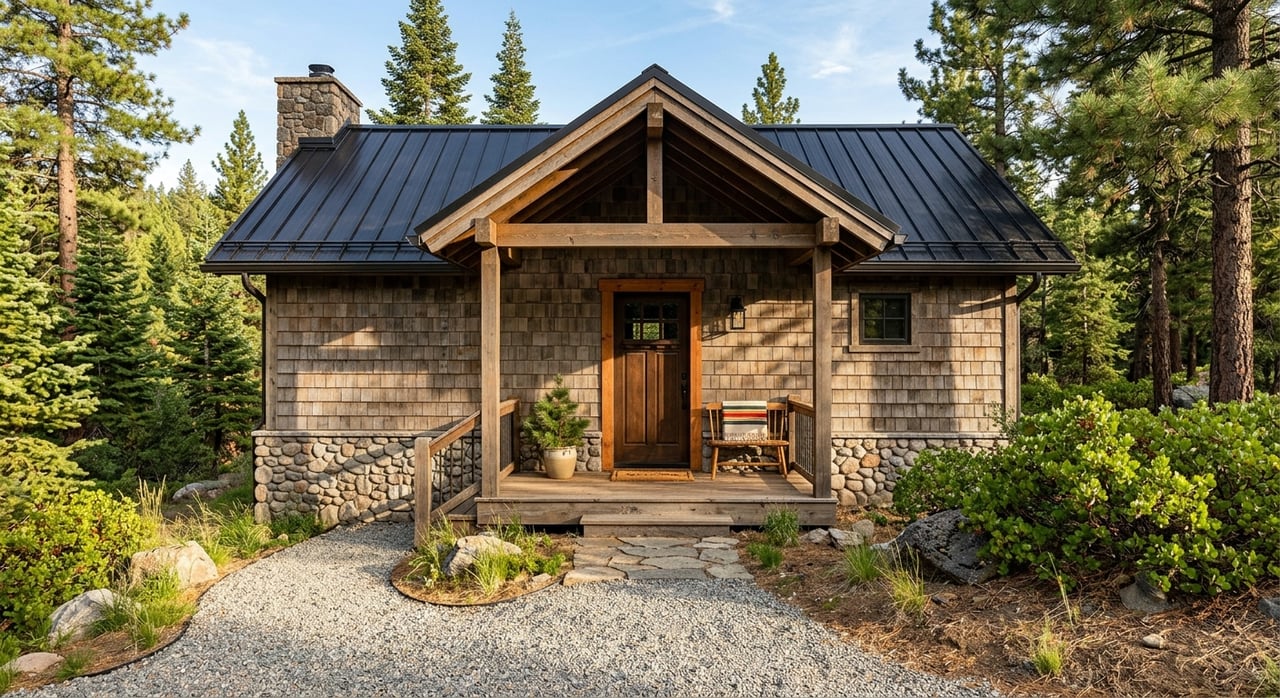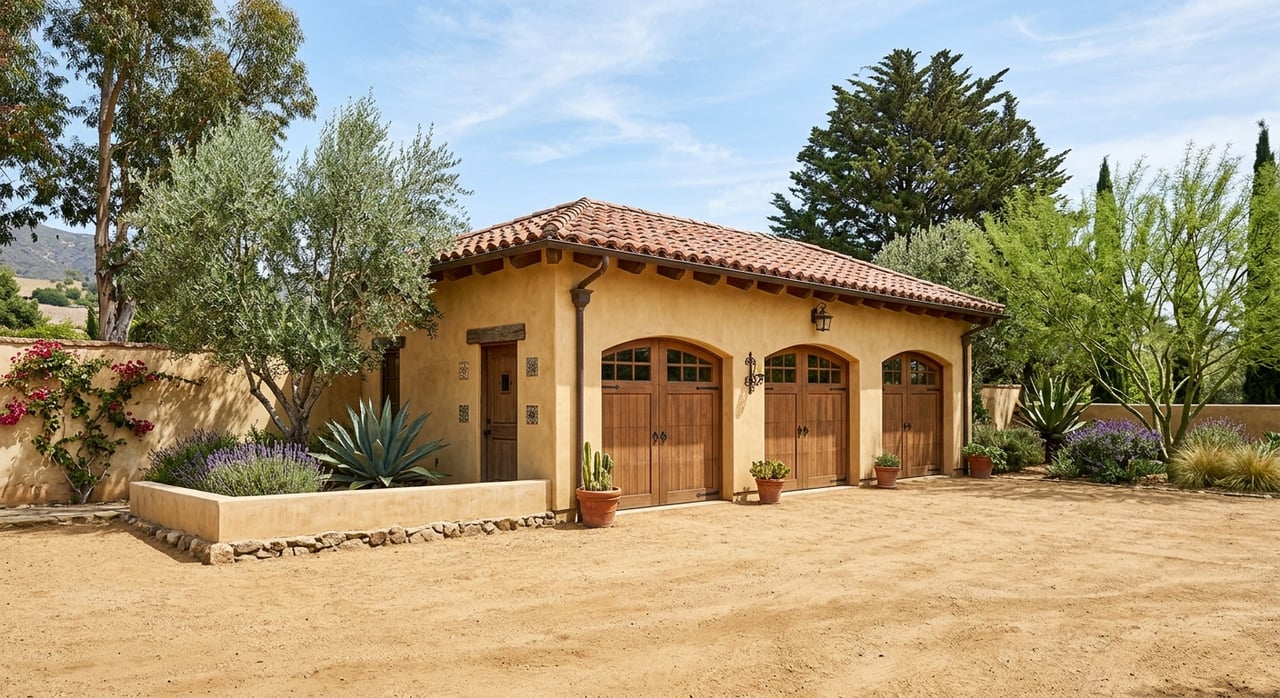
If you are dreaming about a horse property in Coarsegold, it helps to know that the house is only part of the decision. In this part of Madera County, many parcels are one acre or larger, roads can be narrow or unpaved, and wildfire planning plays a big role in how land is used. That means your best purchase often comes down to usable acreage, access, water, and layout just as much as the home itself. Let’s dive in.
Why Coarsegold Appeals to Horse Buyers
Coarsegold offers the kind of rural setting many horse buyers want, with a wide range of parcel sizes and access to nearby riding opportunities. Current listings in the area show everything from just over 1 acre to much larger ranch-style parcels, including 5-acre, 17-acre, 60-acre, and even larger properties.
That variety gives you options, but it also means there is no one-size-fits-all definition of an equestrian-friendly property here. A parcel that looks ideal online may not support your plans once you factor in zoning, setbacks, water, trailer access, and fire requirements.
Start With Zoning and Parcel Size
Before you focus on fences, barns, or riding space, confirm what the parcel legally allows. In unincorporated Madera County, the zoning ordinance controls land uses and development standards, and approvals may involve the zoning administrator or planning commission depending on what you want to do.
For horse buyers, this matters because future plans often go beyond simply moving in. If you want stalls, a barn, an arena, or other improvements, you should verify the exact zoning designation, any overlay district, and any HOA rules before assuming the property will work.
Zoning categories to know
Madera County's land-use framework includes several rural designations that can affect horse property decisions:
- Rural Estate Residential (RER) has a 5-acre minimum parcel size.
- Rural Residential (RR) allows a maximum density of 0.5 units per gross acre.
- RM zoning is intended to support rural character with some accessory agricultural uses and has a 1-acre minimum lot size.
- Agricultural zones are intended to accommodate a wide range of agricultural and agriculture-related uses along with single-family dwellings.
These categories can shape what you can build, how you can use the land, and how much flexibility you may have later.
Horse-keeping rules are parcel specific
County code excerpts indicate that noncommercial raising of equine animals may be allowed on parcels of at least one acre, subject to density limits. The code also states that pens, stables, and barns for those animals must meet district setbacks and be at least 50 feet from structures designed for human habitation.
That means horse suitability is not something you can judge by city name or mailing address alone. You need to review the exact parcel, its zoning, and its physical layout.
Look Beyond Acreage to Usable Land
A large lot does not always mean a functional horse property. Slopes, drainage, rock, road placement, and building setbacks can reduce how much of the land you can actually use for turnout, storage, parking, or future structures.
When you walk a property, try to picture how the full setup would function day to day. Think about where horses would stay, where feed and manure would go, where a trailer would park, and how movement would work in wet weather or during fire season.
Drainage and footing matter
Good horse-property design depends heavily on drainage and surface conditions. Extension guidance recommends keeping manure storage away from turnout areas and runoff paths, and it notes that good drainage is essential for manure sites and all-weather paddocks.
This is one of those details that can affect both daily use and long-term maintenance. A beautiful parcel can become frustrating fast if turnout areas stay muddy or runoff creates problems around barns and paddocks.
Barns, Wells, and Septic Need Extra Attention
In Coarsegold, many horse properties rely on rural infrastructure rather than city utilities. That makes your due diligence especially important before you close.
Madera County's Building Division regulates the design, construction, materials, occupancy, and location of buildings and structures in the unincorporated county. If you are planning a barn, arena, tack room, or other equestrian improvement, treat it as a permit-driven project and verify requirements early.
Water supply questions to ask
Some properties may use public water, private wells, or a combination. If the property has a private well, verify permit status and ask about water quality testing.
Madera County Environmental Health permits well construction and destruction, and the county lab offers bacterial testing for potable water from private domestic wells. For a horse property, water reliability is more than a convenience. It is part of the property's basic functionality.
Septic capacity can affect future plans
Environmental Health also oversees onsite wastewater treatment systems, and the county notes that about 95% of onsite wastewater disposal systems are septic systems. If you hope to add living space, guest quarters, or other improvements, confirm septic capacity early in the process.
This step is easy to overlook when you are focused on acreage and views. Still, it can shape what you are realistically able to do with the property later.
Fire Access Is a Major Buying Factor
In Eastern Madera County, wildfire exposure is a central planning issue. County materials describe many local roads as narrow, curvy, and sometimes gravel or dirt, which can directly affect how comfortable and practical a property feels for horse ownership.
The county Fire Division says foothill projects often need improved fire access and fire-protection water, and new development in the state responsibility area must comply with PRC 4290. CAL FIRE also states that 100 feet of defensible space is required by law.
Access for trailers and emergencies
If you own horses, access is not just about your daily drive home. You should evaluate whether a horse trailer can comfortably enter, turn around, and exit the property.
A smart step is to walk the driveway and study grades, width, and turning radius. You should also ask how the road performs in wet weather and think through evacuation routes before buying.
Public Trails and Private Trail Access
One reason buyers look at Coarsegold is the chance to ride close to home. Nearby, the Sierra National Forest identifies strong opportunities for equestrian trail riding, including places such as Kelty Meadow Campground near Bass Lake and the Isberg Trailhead, where horse riding and camping are listed among recreation options.
That said, trail access should always be verified. Some riding areas are shared with hikers, mountain bikers, and off-highway vehicle users, and access may vary by location or season.
HOA trail systems can be different
In some Coarsegold communities, HOA documents matter just as much as county rules. Yosemite Lakes Park, for example, is a private community where trails are for residents and guests only.
The association describes miles of walking, running, and horseback trails, including bridle-trail easements. Its equestrian center also advertises a 26-stall facility, two lighted arenas, a round pen, several miles of trails, and two large pasture turnout areas. If you are considering a property in an HOA community, confirm exactly what access and use rights transfer with ownership.
A Simple Buying Checklist for Coarsegold Horse Property
When you find a promising property, keep your review focused on both legal use and real-world function.
What to verify before closing
- Confirm the parcel's zoning designation and any overlay district.
- Ask whether a zoning permit, conditional use permit, variance, or HOA approval is needed for your intended horse use.
- Verify the number of horses allowed and the setback rules for pens, stables, and barns.
- Check whether the site layout supports turnout, manure storage, trailer parking, and future improvements.
- Ask whether the property uses public water, a private well, or both.
- Verify well permit status and ask about water quality testing if a private well is involved.
- Confirm septic or onsite wastewater capacity, especially if you may add structures later.
- Test driveway width, grades, and turning space for trucks and trailers.
- Review defensible-space needs and fire access concerns.
- Verify whether trail access is public, seasonal, private, or resident-only.
- Reconfirm the county's current zoning text before closing, since Madera County is conducting a comprehensive zoning-ordinance update.
Why Local Guidance Helps
Buying equestrian-friendly property in Coarsegold is often more detailed than buying a typical residential home. You are not just choosing square footage and finishes. You are evaluating land use, access, infrastructure, and future flexibility.
That is where local guidance can make the process smoother. When you have an experienced team helping you compare properties, ask the right questions, and stay organized through due diligence, you are more likely to end up with land that fits both your horses and your long-term plans.
If you are exploring horse property in Coarsegold, Jack & Sherri Dubeau can help you evaluate listings with a practical, relationship-first approach and clear communication every step of the way.
FAQs
What makes a property equestrian-friendly in Coarsegold?
- In Coarsegold, an equestrian-friendly property usually needs more than acreage alone. You should look at zoning, usable land, drainage, water source, barn setbacks, trailer access, and wildfire-related access and defensible-space needs.
How much land do you need for horses in Coarsegold?
- County code excerpts indicate noncommercial raising of equine animals may be allowed on parcels of at least one acre, subject to density limits. The better question is whether the specific parcel has enough usable space for your intended setup.
Do you need to verify zoning before buying horse property in Coarsegold?
- Yes. Madera County's zoning ordinance controls land uses and development standards, so you should confirm the parcel's exact zoning, any overlay district, and any HOA restrictions before assuming horses or future improvements are allowed.
Are barns and stables regulated on Coarsegold properties?
- Yes. County code excerpts state that pens, stables, and barns for equine animals must meet district setbacks and be at least 50 feet from structures designed for human habitation.
Are private wells common on horse property in Coarsegold?
- Rural properties in the area may use public water, private wells, or both. If a property has a private well, verify permit status and ask about water quality testing during your due diligence.
What should buyers know about fire access for horse property in Coarsegold?
- Fire access is a major factor in Eastern Madera County because wildfire exposure is a central planning issue and many roads are narrow, curvy, gravel, or dirt. You should evaluate trailer access, turnaround space, and defensible-space requirements before closing.
Is trail access guaranteed with every horse property in Coarsegold?
- No. Some trail access is public and some is private or limited to residents and guests in HOA communities. You should verify whether access is public, seasonal, private, or resident-only for each property you consider.