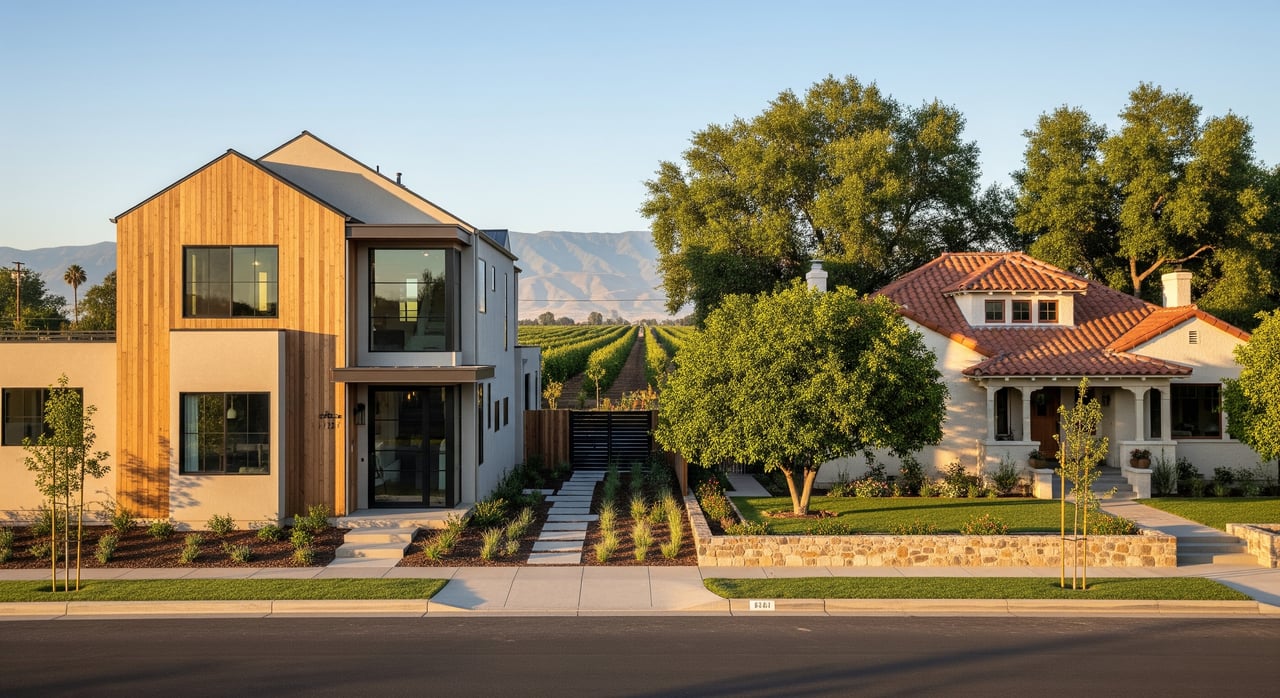
Torn between a brand-new build and a lived-in Sanger classic? You are not alone. Buying a home is a big decision, and the choice between new construction and resale can shape your budget, timeline, and day-to-day comfort for years to come. In this guide, you will see how each option stacks up in Sanger, what to look out for, and the key questions to ask before you commit. Let’s dive in.
What matters most in Sanger
Sanger’s market is shaped by practical, local factors. Proximity to Fresno job centers, highway access along CA‑180, and the local school district are common priorities for buyers. New subdivisions can be limited compared with larger cities, and when they do come online, they can influence pricing and buyer demand in nearby established neighborhoods. Utilities, water allocations, and planned road improvements also affect where new homes get built and how quickly they close.
Because inventory and pricing shift often, compare your specific neighborhood choices and timing with recent local sales. A local MLS-backed pricing review can help you weigh new vs. resale in today’s market conditions.
Total cost comparison
The headline number is only part of the story. Compare both upfront and ongoing costs so you understand your true monthly and yearly outlay.
Upfront costs to compare
- Base purchase price and price per square foot
- Lot premiums for larger or better-located parcels
- Structural options and interior upgrades
- Landscaping, window coverings, and appliance packages
- Community fees or special assessments that start at closing
Ongoing monthly costs
- Mortgage principal and interest
- Property taxes based on the new assessed value at sale
- Any HOA dues and community fees
- Utilities, which may be lower in newer, energy-efficient homes
What this often means in Sanger
- New construction often has a higher base price per square foot, and upgrades can add up quickly. Builders may offset some costs with incentives.
- Resale homes may start at a lower price point, but you could face near-term expenses for repairs or system updates.
- Some neighborhoods include special taxes or assessments. Always ask for a full breakdown before you write an offer.
Taxes and assessments in California
California’s property tax rules matter when you compare new vs. resale.
- Under Prop 13, a property’s assessed value resets when it sells. Your tax basis reflects the price at which you purchase the home.
- New construction is assessed based on the completed value at the time of sale. Budget for taxes that reflect the new build’s full value.
- Some newer neighborhoods in California use Mello‑Roos or Community Facilities Districts to fund infrastructure. Not every subdivision has them, so confirm whether a specific tract includes these special taxes and how long they last.
Financing, incentives, and appraisals
Financing for both new and resale homes typically uses conventional, FHA, VA, or USDA loans. The differences show up in incentives and timing.
- Builder incentives. You may see rate buydowns, closing cost credits, or upgrade allowances. These vary by builder and market conditions.
- Appraisals. New tracts sometimes have fewer recent comparable sales, which can add complexity. Your lender may request additional documentation to support value.
- Timelines. Resale homes usually close in 30 to 45 days once inspections and financing are complete. New homes range from move-in ready to several months out, and builder-side delays can occur.
Warranties and inspections
Both options deserve thorough due diligence, but the protections differ.
- New construction usually includes a written builder warranty. It often covers workmanship for a shorter term and major structural elements for longer. Ask for the warranty booklet and service process in writing.
- Resale homes do not come with a builder warranty unless a previous warranty is transferable. Condition and maintenance history vary, so independent inspections are essential.
- Even on a new build, hire an independent inspector and conduct a detailed final walk-through with a punch list before you close.
Energy efficiency and solar
California’s energy code (Title 24) raises efficiency standards for new homes. In recent years the state has required rooftop solar on most new single-family homes, along with improvements like better insulation, efficient HVAC, and LED lighting. Many buyers see lower utility usage in newer homes, although features vary by builder. Resale homes can also perform well if they have been upgraded, so ask for utility history and documentation for any energy improvements.
Location, lots, and community feel
Your lifestyle and lot preferences play a big role.
- Resale advantages. Established neighborhoods often feature mature trees, larger or shaded lots, and existing landscaping that adds privacy and curb appeal.
- New construction advantages. Newer tracts may include planned parks, sidewalks, and modern community layouts. Yards and trees are young, so long-term curb appeal grows over time.
- Local context. In parts of Fresno County, proximity to agricultural operations can influence noise patterns and seasonal activity. It pays to walk the neighborhood at different times of day and week.
Maintenance and near-term expenses
- New homes typically require less maintenance early on. You may still need to install landscaping, window coverings, or backyard improvements.
- Resale homes can present immediate needs like roof, HVAC, plumbing, electrical, or pest repairs depending on age and upkeep. Plan for these in your budget and negotiation strategy.
Utilities and infrastructure
Ask detailed questions about utility connections and services.
- Confirm whether the property uses city sewer and water or septic and well.
- For new construction, verify permit status, final Certificate of Occupancy, and any phased utility service schedules.
- In some areas, water allocations, sewer capacity, and road improvements influence where and how fast new homes are delivered.
Resale value and appreciation
Future value depends more on location, lot, neighborhood, and broader market trends than on age alone. Some buyers prioritize modern systems and lower maintenance in new homes. Others pay premiums for established areas, mature landscaping, or unique architectural features. When you sell, position your home to highlight what your property type does best.
Quick decision guide
Consider new construction if you want:
- Lower near-term maintenance and a written builder warranty
- Energy-efficient systems that may reduce utility usage
- Personalization through floor plan choices and design options
- Planned community amenities and newer neighborhood layouts
Consider resale if you want:
- Established neighborhoods and mature landscaping
- Potentially more negotiating room on price or concessions
- Character features or larger lots often found in older areas
- Immediate information from nearby comparable sales
Buyer due-diligence checklist
For any property
- Hire an independent home inspector and pest inspector
- Review all disclosures and the preliminary title report
- Read CC&Rs and HOA bylaws, if applicable
- Check hazard maps for flood or fire risk and confirm insurance availability
For new construction
- Get a written list of included features, options, and exact upgrade brands and model numbers
- Review the builder warranty and the process for service requests
- Confirm building permits and final Certificate of Occupancy before closing
- Ask if the community has Mello‑Roos or other special assessments
- Clarify landscaping responsibilities and irrigation setup
- Verify sewer and water connections and when all utility services will be fully active
For resale homes
- Request recent utility bills and maintenance records
- Verify permits for past remodels or additions
- Check for HOA violations, if applicable
- Confirm any easements on the property
- Review flood maps and seller hazard disclosures
Selling a resale home near new construction
If you are listing your home while new builds are releasing nearby, plan to compete strategically.
- Price with context. Understand new-build pricing and incentives so you can position your home effectively.
- Showcase maturity benefits. Emphasize lot size, shade trees, storage, outdoor livability, and upgrades new homes may not include.
- Refresh where it counts. Consider paint, light landscaping, hardware swaps, and small kitchen or bath updates that deliver a clean, move-in ready feel.
- Document improvements. Provide permits, receipts, and timelines to streamline underwriting and appraisals.
- Time your launch. Coordinate with your agent to avoid competing directly with large inventory releases when possible.
The bottom line
There is no one-size-fits-all winner. In Sanger, your best choice depends on budget, timing, tolerance for maintenance, and the neighborhood experience you want. If you are weighing a specific new tract against an established area, compare the full cost of ownership, warranty coverage, utility setup, and any special taxes side by side. A local, data-backed pricing review can make the path forward clear and confident.
Ready to compare your options with a neighborhood-by-neighborhood plan? Reach out to Jack & Sherri Dubeau for a personal consult and a tailored market review.
FAQs
What cost differences should Sanger buyers expect between new and resale?
- New builds often have higher base prices plus options, while resales may require near-term repairs; compare total cost of ownership, including taxes, HOA, utilities, and likely maintenance.
Do new Sanger homes include special taxes like Mello‑Roos?
- Some California developments use Mello‑Roos or similar assessments, but not all do; verify the specific tract’s tax profile before you write an offer.
How long does it take to move into a new build vs. a resale?
- Resales commonly close in about 30 to 45 days after inspections and financing, while new builds range from move-in ready to several months depending on construction and builder timelines.
What warranties come with new construction in California?
- Builders typically offer written warranties that cover workmanship for a limited period and structural elements for longer; ask for the full warranty booklet and service process in writing.
Are new Sanger homes more energy efficient than resales?
- New homes are built to current energy codes and often include features like efficient HVAC and rooftop solar, while resales vary based on age and upgrades; request utility histories to compare.
Will a new home appraise at the contract price in a new tract?
- It can, but limited nearby sales sometimes add appraisal complexity; your lender may require additional comparable analysis or documentation.
Are utility connections different across Sanger neighborhoods?
- Yes, some properties use city sewer and water while others may rely on septic or well; confirm connections and any phased service plans before closing.