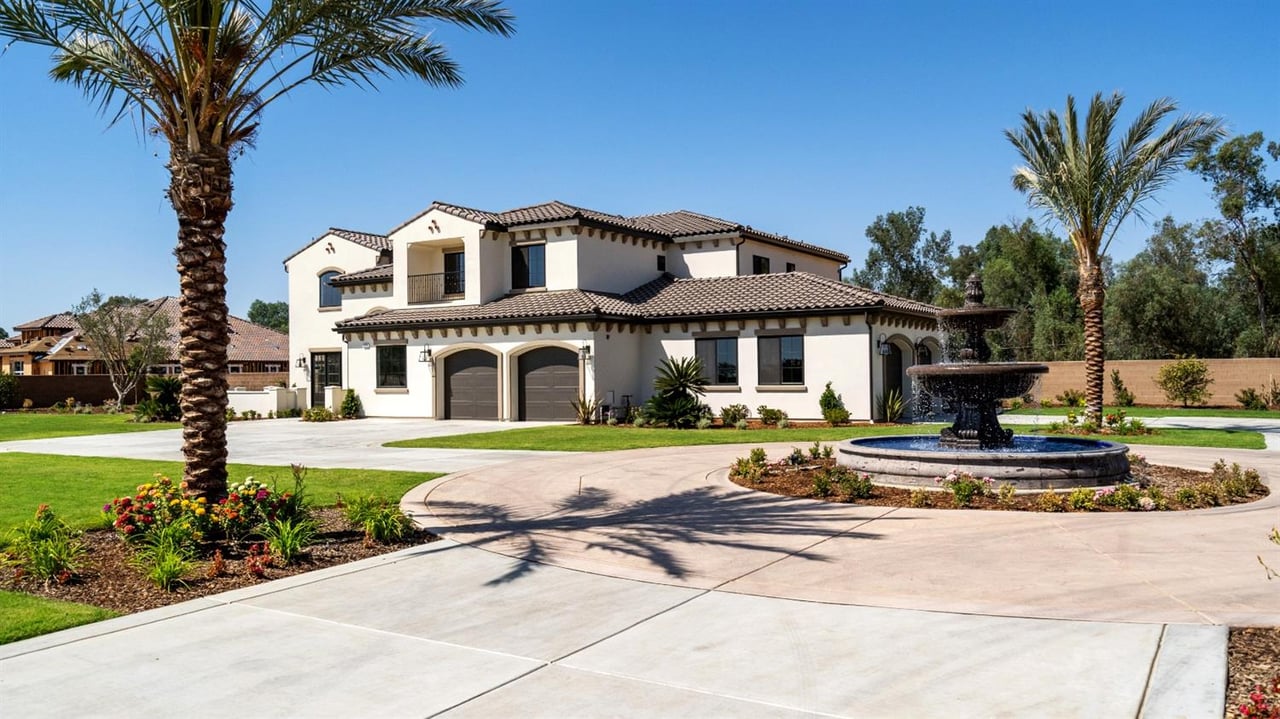
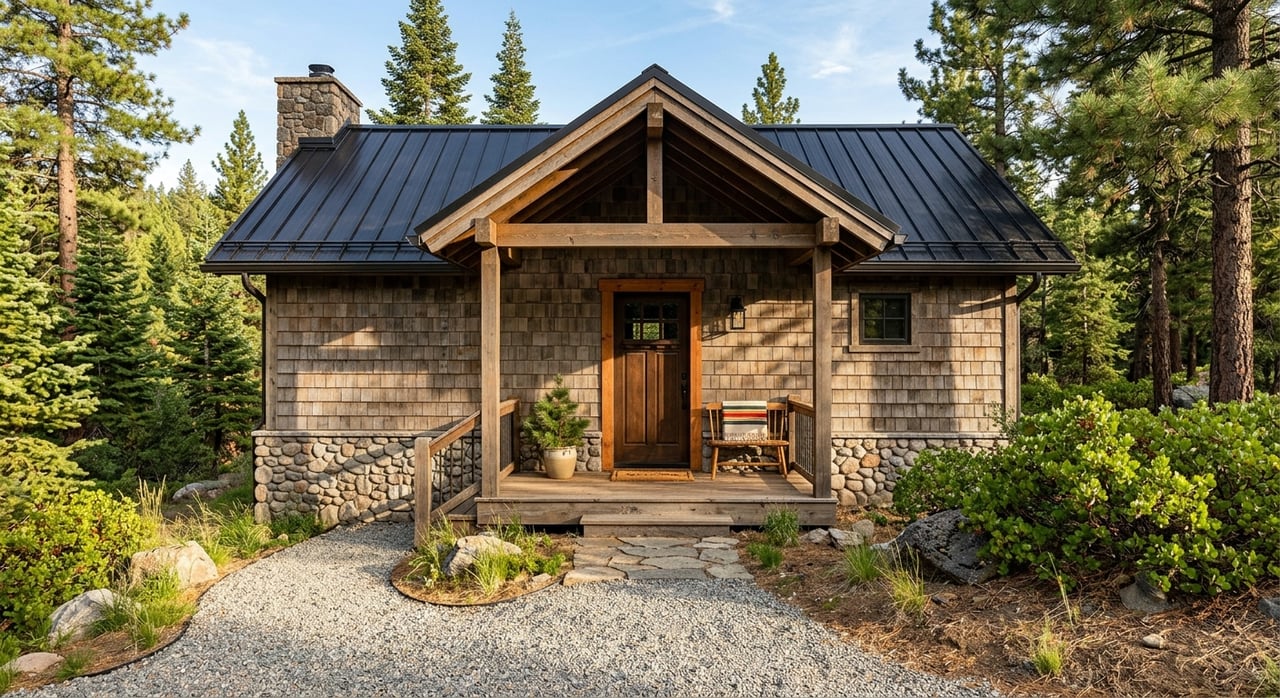
Trying to decide between an HOA home or a non-HOA home in Clovis? You’re not alone. Many buyers love the convenience and curb appeal of HOA communities, while others prefer the freedom and lower monthly costs of non-HOA neighborhoods. In this guide, you’ll see clear pros and cons of each, local Clovis considerations, and practical checklists to help you choose with confidence. Let’s dive in.
What an HOA means in Clovis
A homeowners association (HOA) is a community organization that manages rules, common areas, and shared maintenance. In Clovis, newer master-planned subdivisions are more likely to have HOAs, while many older central neighborhoods are non-HOA. Streets in HOA communities can be private or public, so it’s important to verify who maintains roads, sidewalks, and landscaping.
In California, most HOAs operate under the Davis-Stirling Act. This framework outlines budgets, reserves, board elections, disclosures, and enforcement. If you buy in an HOA, you will receive association documents and financials during escrow.
HOA homes: top benefits
Common maintenance and curb appeal
HOAs typically handle common landscaping, exterior upkeep in some communities, and shared irrigation. In the Central Valley’s hot summers, consistent landscaping and water management can save time and help the neighborhood look cared for.
Amenities and services
Many HOA communities offer pools, parks, clubhouses, or gated entries. These can add lifestyle value and attract a wider buyer pool when it’s time to sell.
Rules can protect values
Architectural review and community rules can help prevent incompatible changes. Design consistency often supports a strong neighborhood look and may help marketability.
Predictable shared budgeting
Well-funded reserves and clear budgets can reduce surprises. Major items, like roofing on shared buildings or road resurfacing on private streets, may be planned and funded over time.
HOA homes: potential downsides
Ongoing HOA fees
Monthly or quarterly dues are mandatory and vary based on services and amenities. Fees add to your housing costs, so include them in your budget and loan qualification planning.
Special assessments
If reserves are low or unexpected repairs arise, the HOA can levy special assessments. These can be significant, so pay close attention to the latest reserve study and planned capital projects.
Rules and restrictions
CC&Rs and rules can limit exterior colors, landscaping choices, parking, rentals, and more. If you value maximum autonomy, some restrictions may feel limiting.
Governance and financing risks
HOAs are often run by volunteer boards and can face disputes or litigation. High delinquency rates, low reserves, or pending litigation can affect financing and insurance, especially for condos.
Non-HOA homes: top benefits
No mandatory dues
Without HOA fees, your monthly payment is simpler, and you avoid the risk of special assessments. You control how and when you invest in maintenance.
More flexibility
You typically have more control over landscaping, exterior choices, parking, and home-based activities, as long as you follow city codes and permit rules.
Easier customizations
Projects like exterior remodels, accessory structures, or ADUs may be simpler to plan if they meet Clovis zoning and building requirements.
Non-HOA homes: potential downsides
Maintenance is on you
You are responsible for roof, exterior, fences, trees, and irrigation. If nearby homes are inconsistently maintained, curb appeal can vary block by block.
No shared amenities
There is no pool, park, or clubhouse unless you add them yourself. Shared issues, like drainage across lot lines, may require coordination with neighbors or the city.
Risk of incompatible changes
Without private rules, neighboring properties might make changes some owners view as less desirable. City ordinances set limits, but they are different from HOA design review.
Clovis-specific things to check
Streets and infrastructure
Confirm whether streets are public or private and who maintains sidewalks, streetlights, and storm drains. Review recorded maps and ask the city about maintenance responsibility, especially in newer subdivisions.
Water and landscaping
In a hot, dry climate, shared irrigation systems and drought-tolerant requirements can help control water use. Ask about irrigation policies and any water-efficiency rules.
Zoning, ADUs, and parking
Even without an HOA, you must follow city zoning, including rules for accessory dwelling units, RV parking, and setbacks. Always confirm what is allowed before you plan a project.
Edge-of-city utilities
Most homes connect to city water and sewer, but some edge-of-city properties may have private wells, septic, or private roads. Verify system type, age, and maintenance responsibilities.
Buyer checklist for HOA homes
- Request CC&Rs, bylaws, rules, and any recent rule changes.
- Review current budget, operating statements, and the latest reserve study.
- Read board and membership meeting minutes from the last 12 to 24 months.
- Ask for the master insurance policy declarations and coverage limits.
- Confirm current dues, delinquency rates, and recent or pending special assessments.
- Check for pending or recent litigation and planned capital projects.
- Verify owner-occupancy levels and any rental restrictions.
- Confirm whether streets and landscaping are public or HOA maintained.
Seller checklist for HOA homes
- Gather required disclosures early: CC&Rs, bylaws, rules, budget, reserve study, minutes.
- Provide clear statements on dues, any pending assessments, and any liens.
- Disclose any known HOA violations, fines, or disputes to avoid escrow delays.
Buyer checklist for non-HOA homes
- Inspect roof, exterior, fencing, trees, HVAC, and irrigation age and condition.
- Ask about street, sidewalk, and storm drain maintenance responsibility.
- Confirm zoning, setbacks, and ADU rules for future projects.
- Check for private easements, shared driveways, or shared infrastructure agreements.
- Evaluate neighborhood maintenance patterns and any informal agreements.
Financing, taxes, and insurance
- Financing: Lenders review HOA budgets, insurance, and litigation for condo projects. For single-family homes in HOAs, lenders may focus on dues, delinquencies, or special assessments if they affect your finances.
- Taxes: California property taxes are roughly 1 percent of assessed value plus local assessments. HOA dues are not property taxes. Ask a tax advisor about deductions if you own rental property.
- Insurance: Understand what the HOA master policy covers and what your homeowners policy must cover. For non-HOA homes, ensure your policy reflects the full replacement cost of your property.
Market and resale insights
- Buyer pool: Some buyers prefer maintained communities and amenities, while others avoid dues and restrictions. Your choice can influence who shows up to buy later.
- Pricing: The impact of an HOA on value varies by fee level, amenities, and local comparables. In Clovis, the most reliable guide is a side-by-side look at recent sales for similar homes with and without HOAs.
- Disclosure timing: For HOA sales, complete, early disclosures help prevent delays tied to budgets, reserves, or litigation questions.
Which is right for you?
Choose an HOA home if you value shared maintenance, amenities, and design consistency, and you are comfortable with rules and dues. Choose a non-HOA home if you want flexibility, control over your property, and no mandatory fees. If you’re unsure, tour both options in the neighborhoods you like and compare monthly costs, rules, and long-term plans.
If you want local, practical guidance and side-by-side comps for communities across Clovis, reach out to Jack & Sherri Dubeau. We’ll help you weigh the trade-offs and make a confident, informed decision.
FAQs
What is an HOA and how does it work in California?
- An HOA manages community rules, common areas, budgets, and reserves under the state’s Davis-Stirling framework; buyers receive association documents and financials in escrow.
How much are HOA fees in Clovis?
- Dues vary widely based on amenities and services; always confirm the current amount, reserve strength, and any pending special assessments before you buy.
Can HOAs limit exterior changes like paint or landscaping?
- Yes. Many CC&Rs require prior approval for exterior changes and set standards for landscaping, parking, and design consistency.
What happens if HOA owners don’t pay dues?
- Associations can levy fines, place liens, and under certain conditions pursue foreclosure; review delinquency rates in the latest financials.
Should I get a home inspection if the HOA handles maintenance?
- Yes. HOA maintenance does not replace a full inspection of the specific home or unit, including roof, systems, and interior conditions.
How do non-HOA homes affect resale in Clovis?
- It depends on buyer preferences, property condition, and neighborhood comps; many buyers value lower monthly costs and flexibility, while others seek amenities.
How can I confirm if a street is public or private?
- Review recorded maps and ask the city about street ownership and maintenance; this can affect road repairs, lighting, and storm drain responsibilities.